Meet the Team
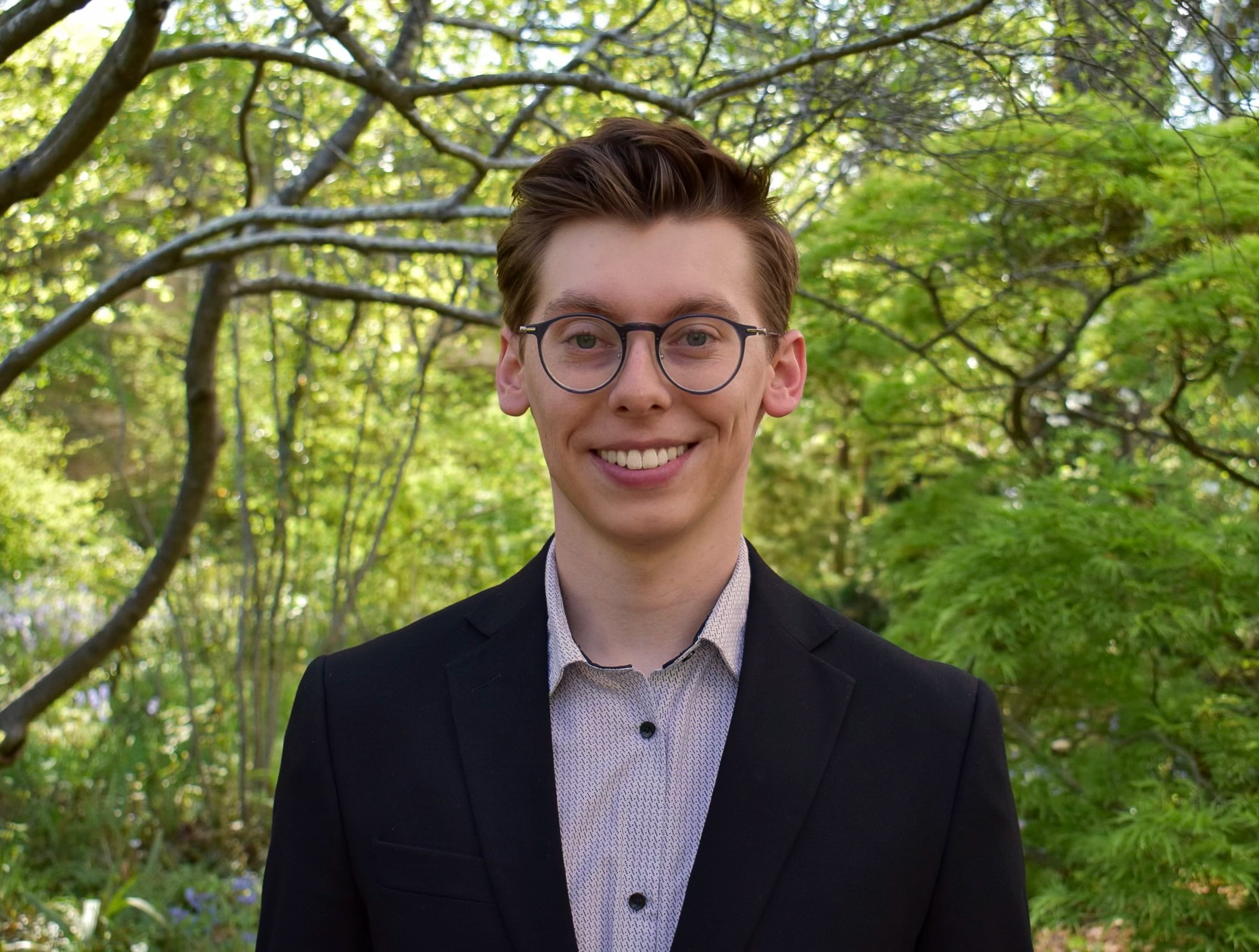
Andrew Mattson
he/him
Andrew is a 2nd year PhD student in the Department of Physics and Astronomy at Johns Hopkins University. His research focuses on quantum technologies for dark matter detection and life science/medical applications. He is a Science Diplomacy Coordinator of the Johns Hopkins Science Policy and Diplomacy Group.
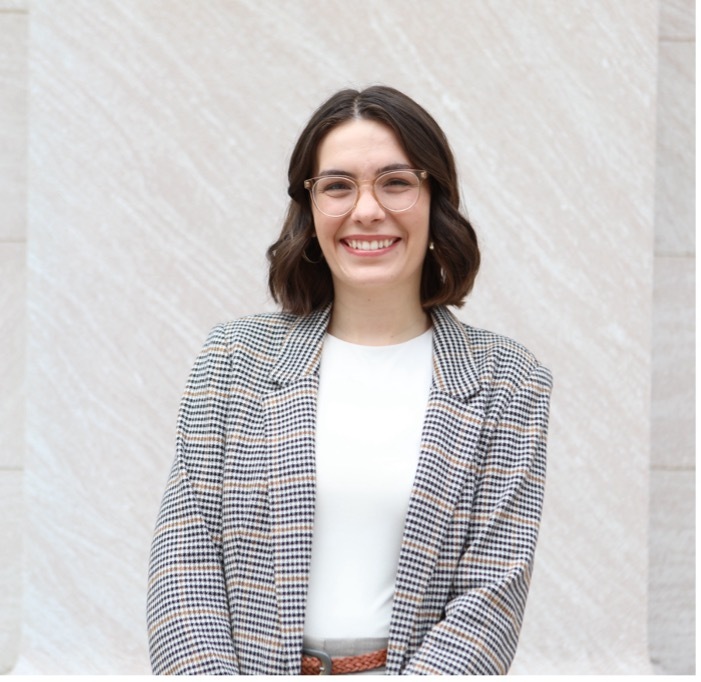
Alex Rich
Alex Rich is a Neuroscience PhD candidate at Yale University, where she studies how we learn and make decisions about food. Outside of the lab, she serves as Vice Chair for the Graduate Research and Development (GRAD) Coalition, the student arm of the GRAD Caucus in the U.S. House of Representatives. Alex is passionate about evidence-based change, creating a sustained culture of communication and advocacy work amongst scientists, and procuring boxes for her cat Fig Newton.
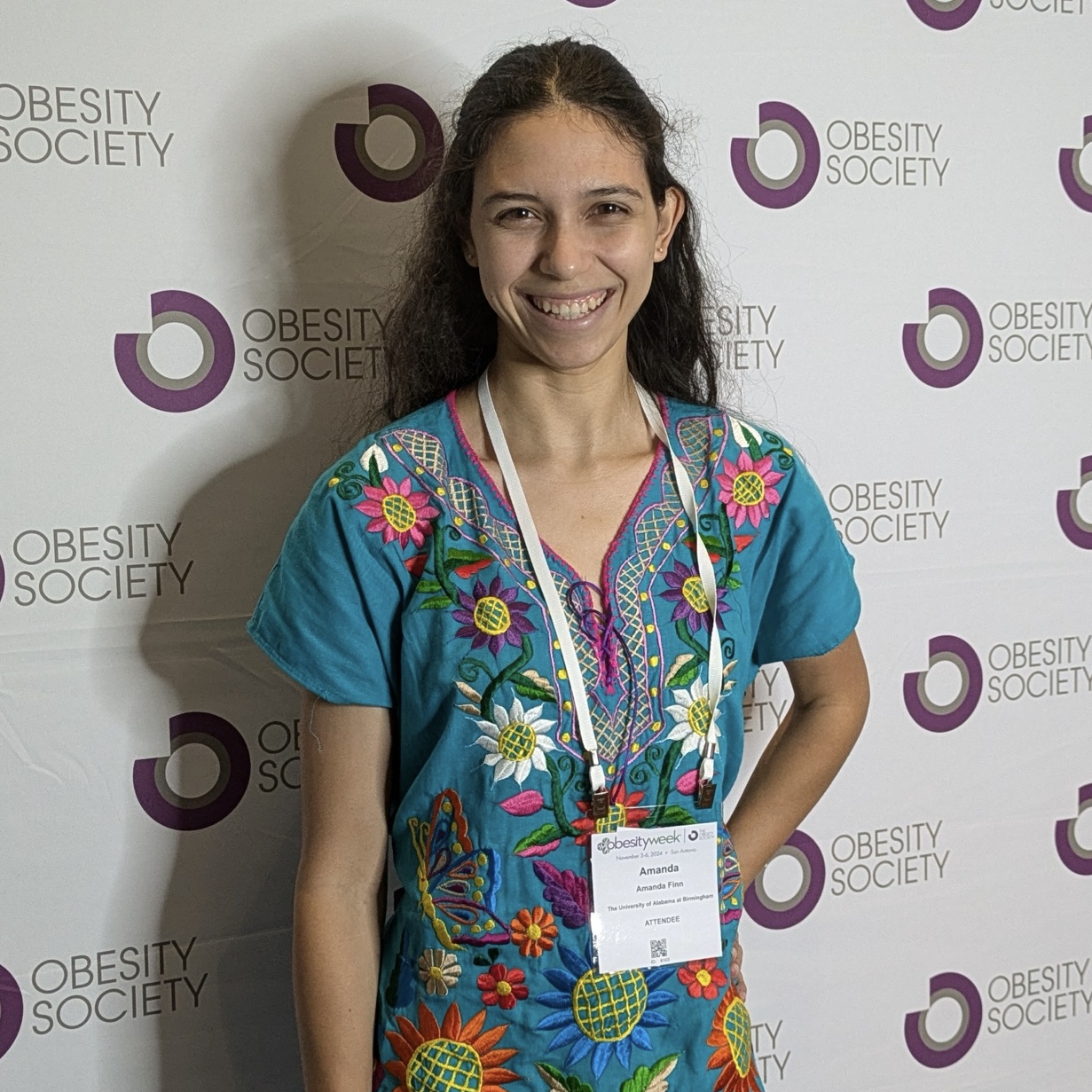
Andrés Arana
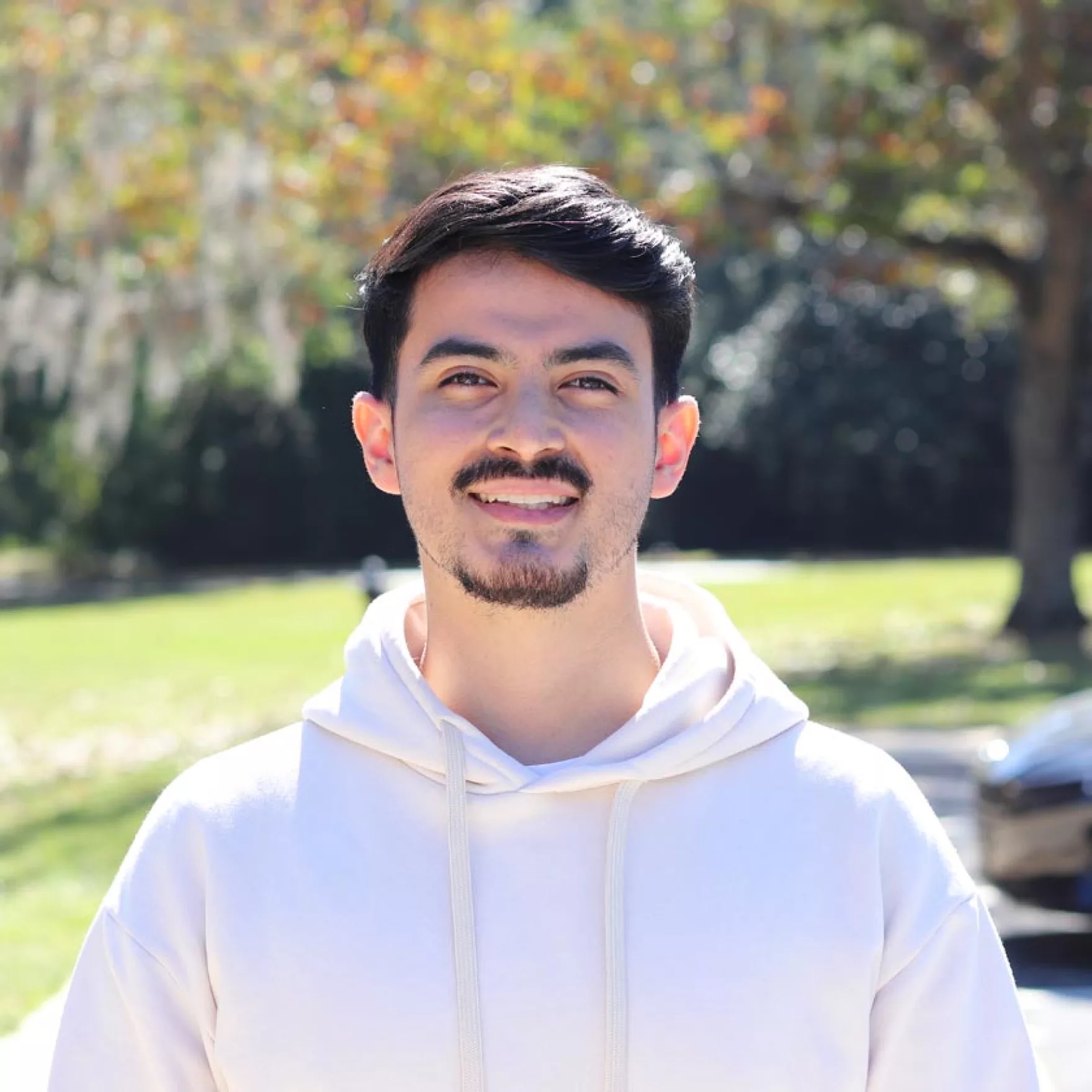
Andrés is a PhD student at New York University Grossman School of Medicine, where he leads the Science Policy Chapter at NYU. Originally from Colombia, he moved to the United States to pursue interdisciplinary training in biomedical science and leadership, focusing on dismantling health barriers that affect child neurodevelopment and long-term health outcomes. He also works on global health research, advocating for child and maternal health and NCD prevention. These experiences motivate his passion for research dissemination, translation, advocacy, and health policy. In his spare time, he enjoys traveling, exploring global arts and cultures, photography, DJing, and working out.
Anna Rader Groves
she/her
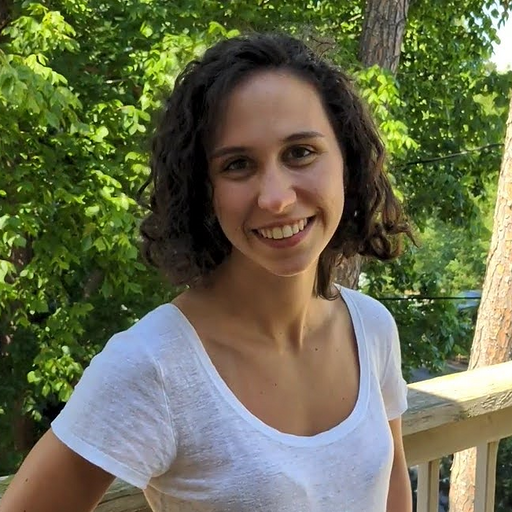
Anna is a neuroscience PhD candidate at Georgia State University, where she studies adolescent development in mice and schizophrenia risk factors that emerge during adolescence. She founded the GSU Neuroscience Institute’s Service-Neuroscience-Policy (SNP) graduate student organization and volunteers with the American Foundation for Suicide Prevention. Anna is broadly interested in translating research into effective practice at the clinical and policy level, specifically through the inclusion of lived experiences. Anna also loves to hike and is a hula hoop champion (although, in full transparency, no one has challenged her on this in nearly a decade).
Antonia Kowalewski
she/her
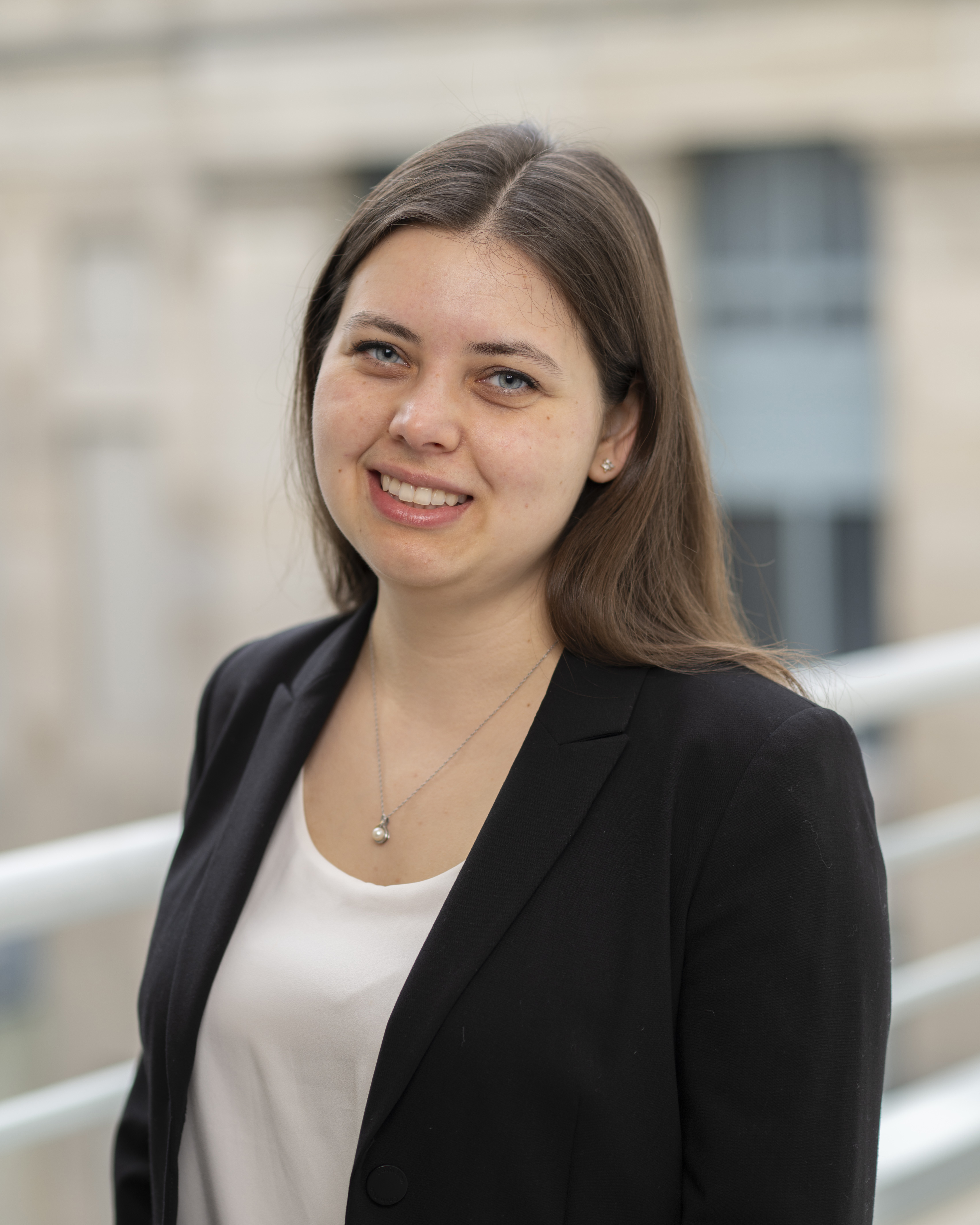
Antonia is a PhD candidate at Harvard Medical School and Co-President of the Harvard Griffin GSAS Science Policy Group. She studies large genetic mutations and chromosomal abnormalities in cancer. Her policy interests include expanding graduate student engagement in science policy and advocacy, and coordinating sustainability initiatives across biomedical research institutions.
Ashley Eng
she/her
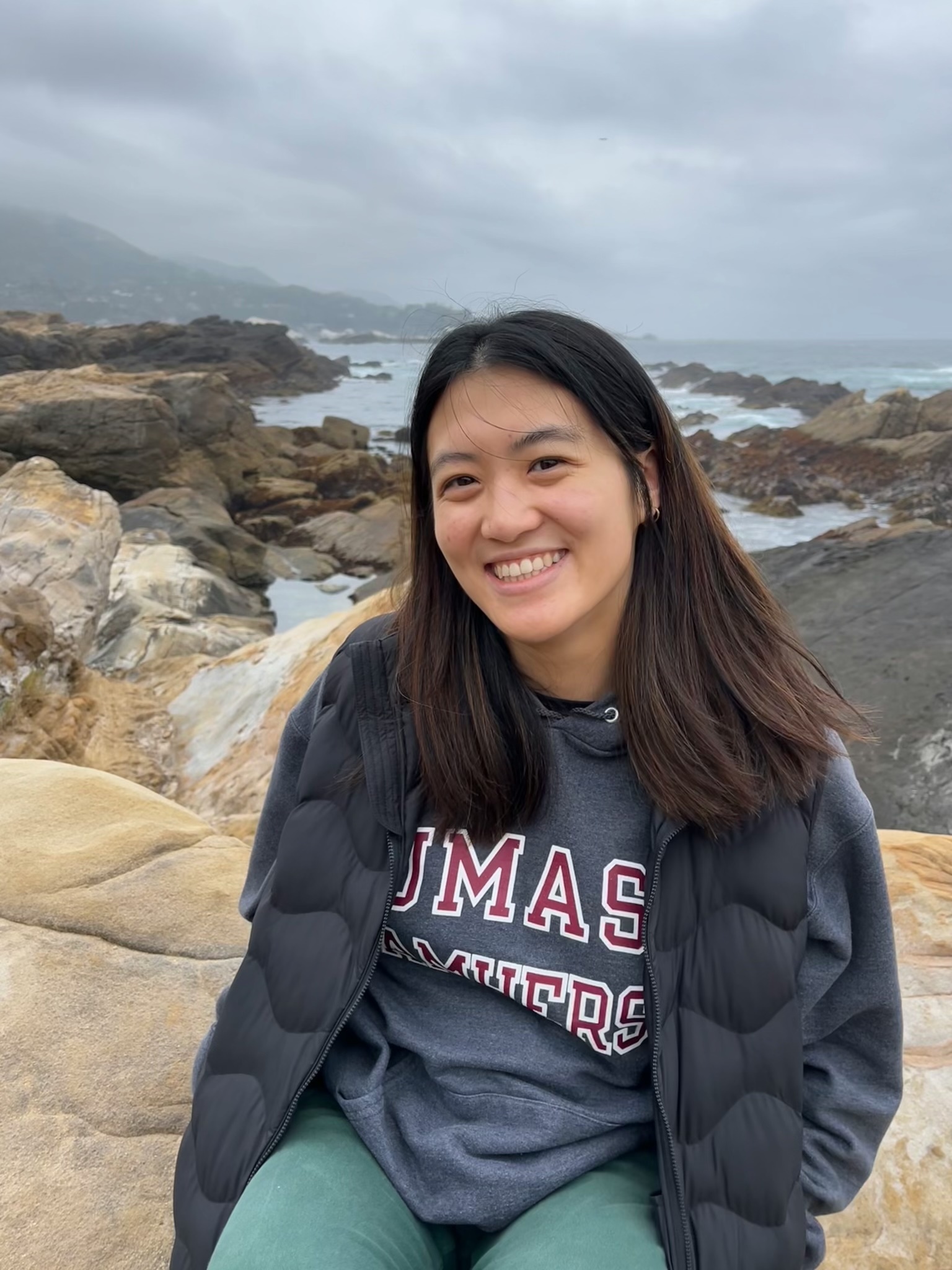
Ashley is a 2nd year Microbiology PhD student at UC Berkeley studying bacteria in soils surrounding plant roots. She is passionate about community organizing, science communication, and educational equity. In her free time, she enjoys rock climbing, baking, and reading.
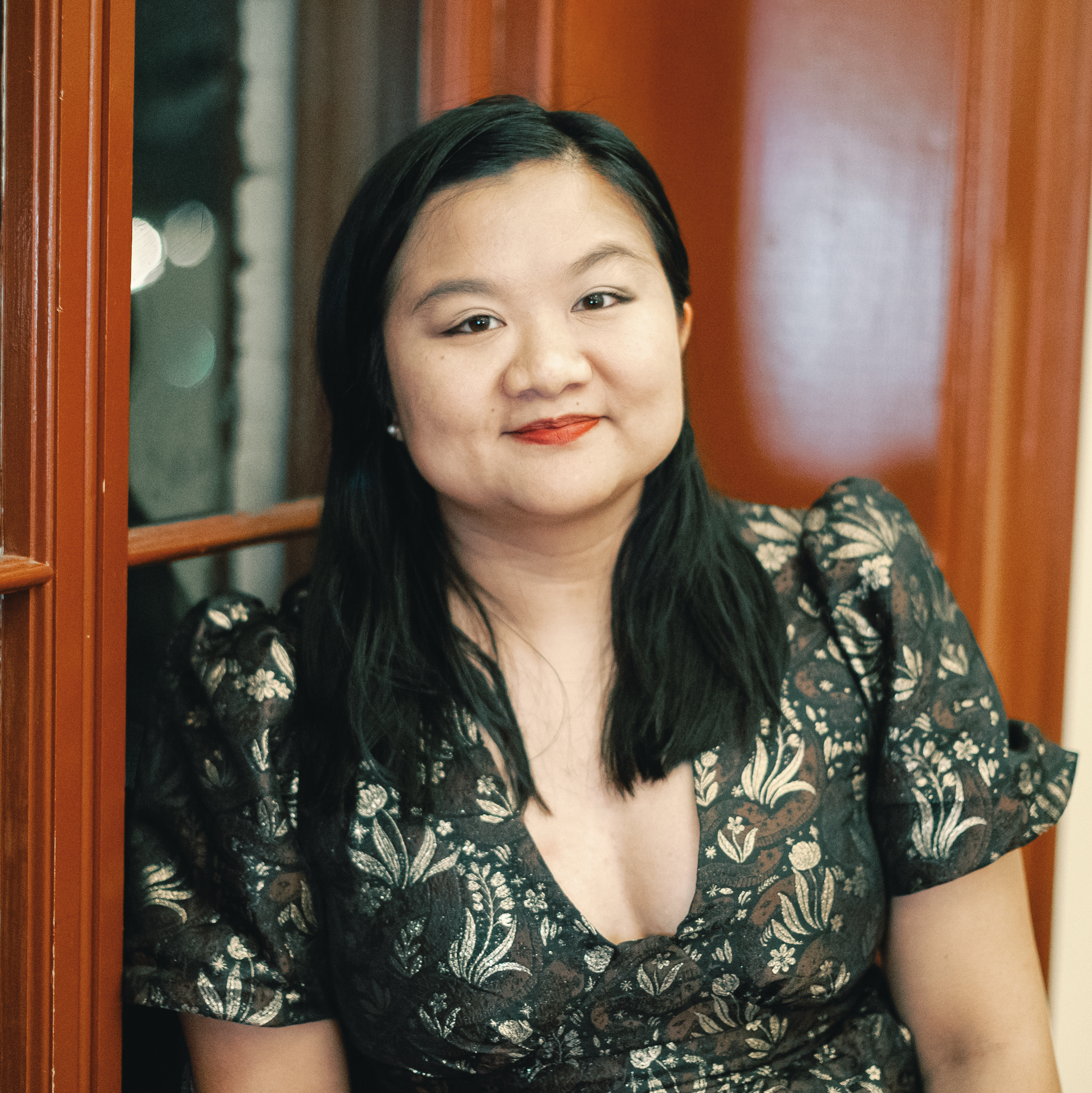
Beanca Thai
Beanca is working on her second master’s degree, studying Environmental Science and Policy at Johns Hopkins University. She’s a member of the Johns Hopkins Science Policy and Diplomacy Group. Her first master’s degree at JHU was in Public Management. Her interests include advocacy, science communication, and sustainable renewable energy. In her spare time, she enjoys biking with her dogs, traveling, and hockey.
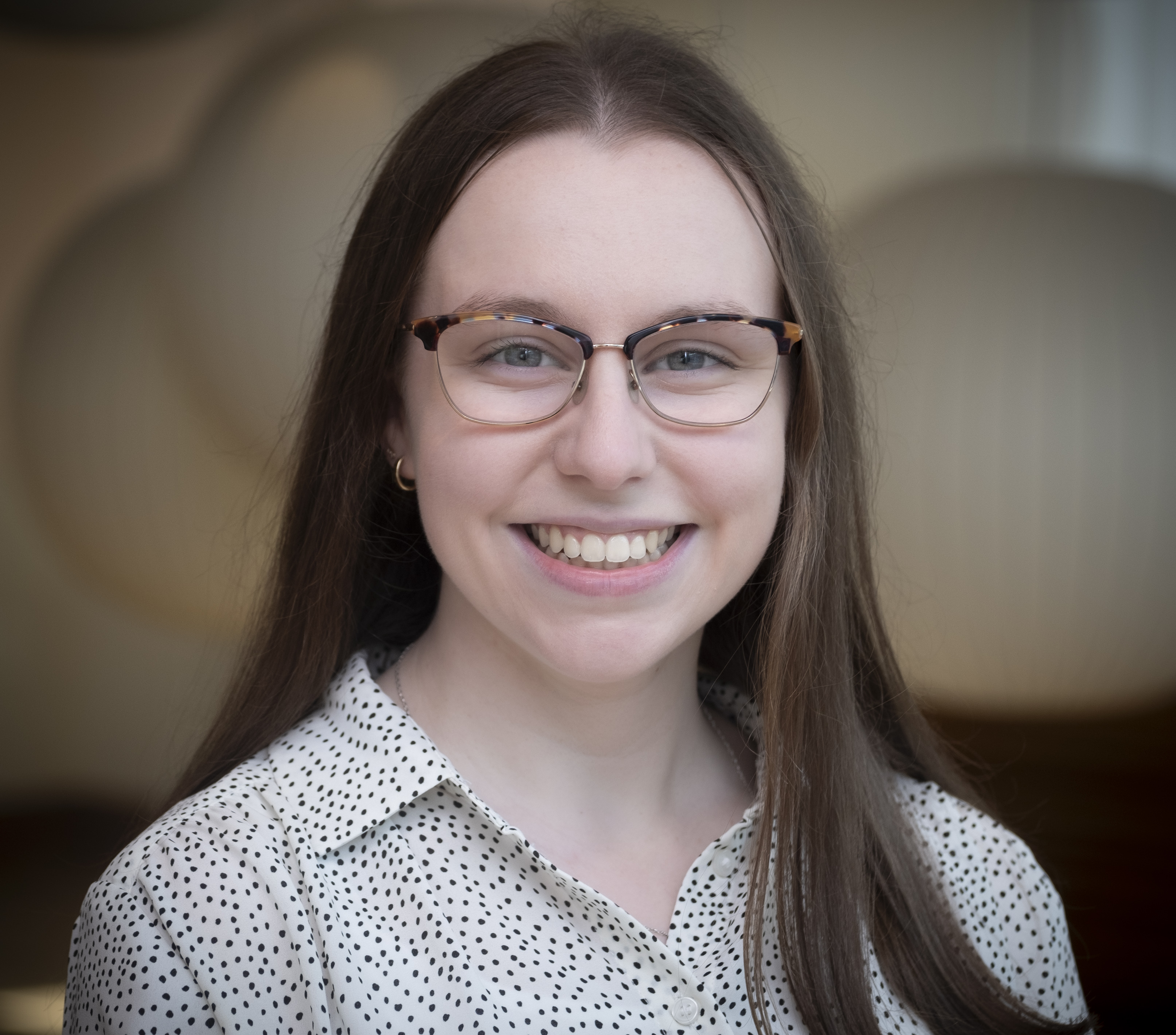
Becca Blyn
Becca is a Ph.D. candidate in the Pathobiology Ph.D. program at the University of Washington. She studies the immune response to malaria vaccines, with the big picture goal of identifying new ways to monitor and improve vaccine efficacy. Beyond the lab, she is also a member of the UW Engage Board of Directors and the co-Legislative Liaison for the UW Science and Policy Committee. Her policy passions include science communication and multiple areas of health policy/public health, including pandemic preparedness and vaccine implementation. In her free time, Becca is an avid reader, euphonium player, and parent to two cats.
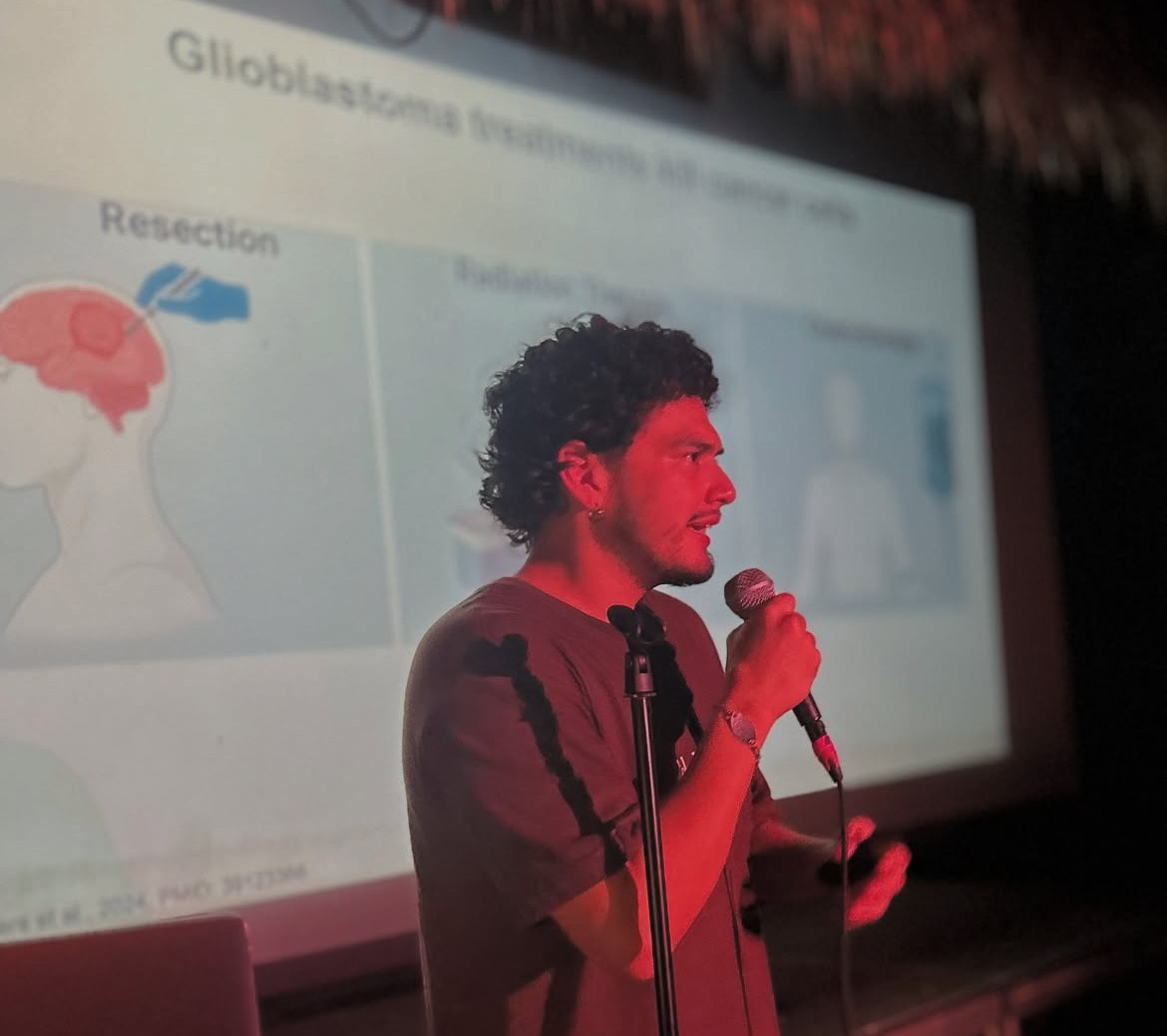
Brandon León
he/him
Brandon Emanuel León is a PhD candidate at the University of Miami. He studies cancer-astrocyte interactions in glioblastoma. After graduating, he aims to work in science policy with the goals of making STEM education and activities more inclusive and improving support for scientists to continue making impactful discoveries. Outside of work, he enjoys soccer, kickboxing, and cooking Peruvian and Italian cuisine.
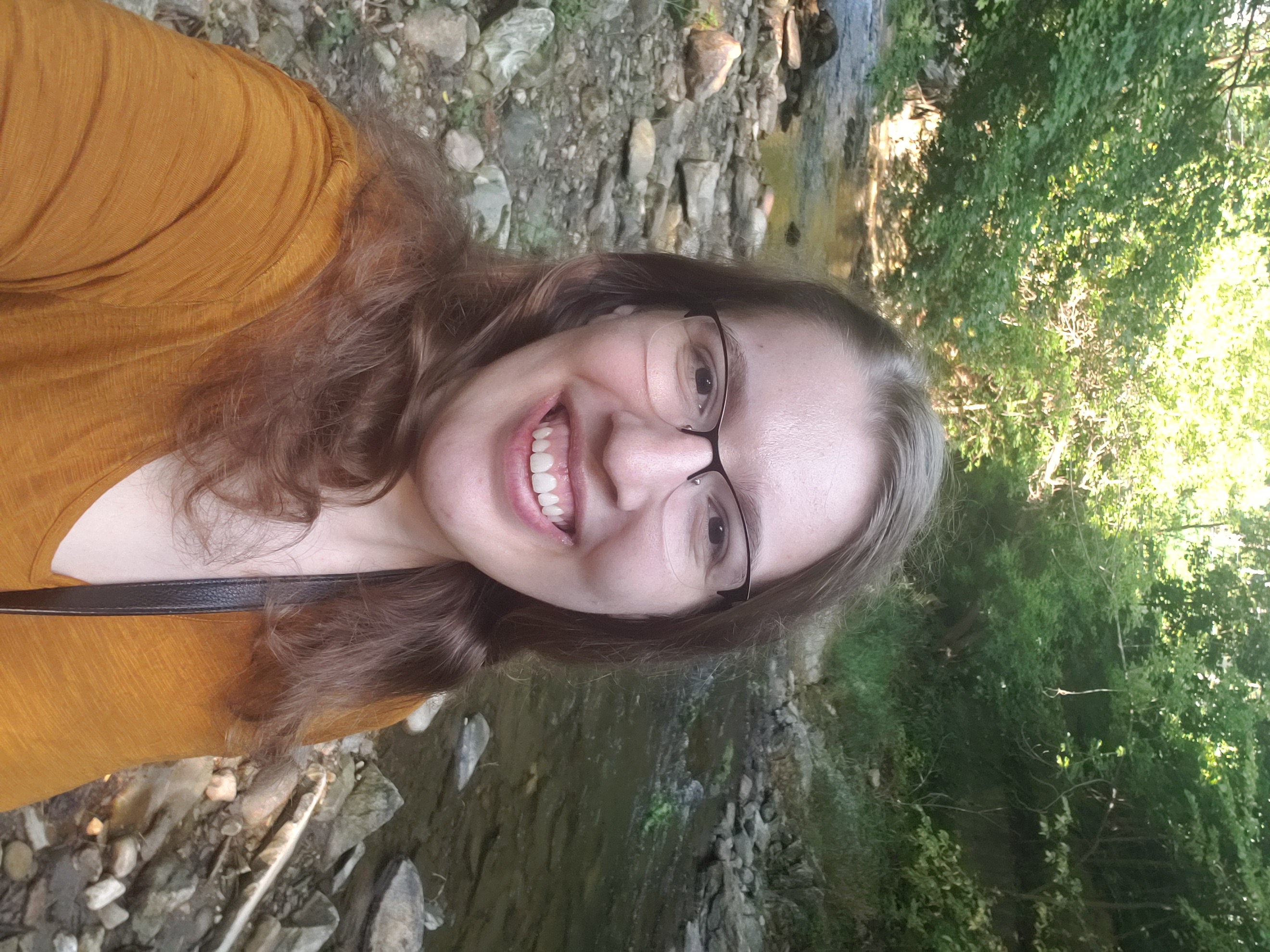
Breelyn Karno
she/her
Breelyn Karno is a PhD candidate in Cancer Biology at Vanderbilt University. She studies the metabolic determinants of breast cancer metastasis with the long-term goal of developing therapies to treat bone-metastatic breast cancer. Outside of the lab, she is passionate about science policy and communication and is active in the Vanderbilt Science Policy Group.
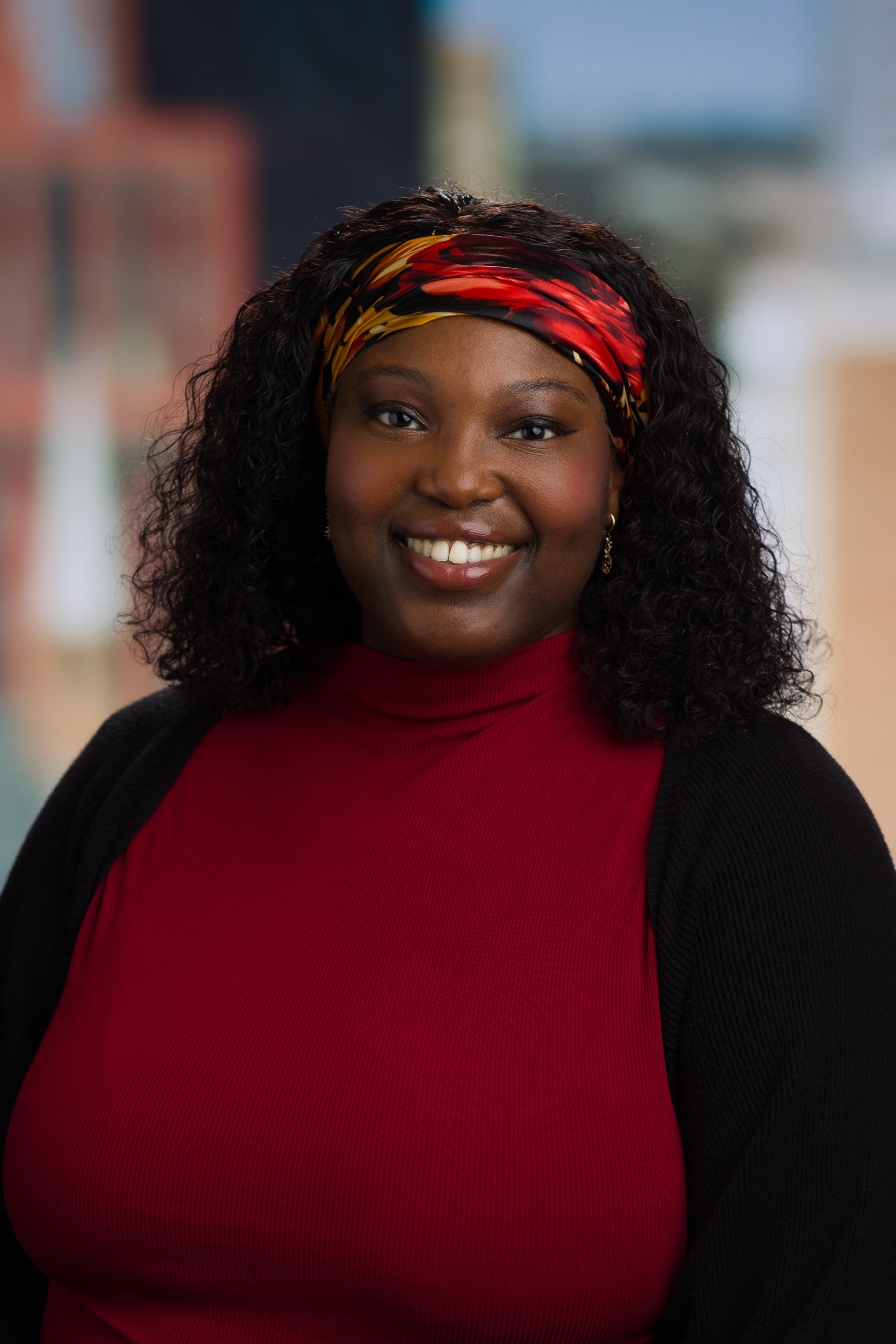
Bryanna Vilnaigre
she/her/hers
Bryanna is a 2nd year PhD student in the Neuroscience at Rutgers University. She studies how the epigenome powerfully modulates molecular and cortical plasticity during memory consolidation. She also serves at the Treasurer for the Science Policy & Advocacy at Rutgers (SPAR) graduate student organization. And she is interested in improving patient outcomes and science communication through policy!
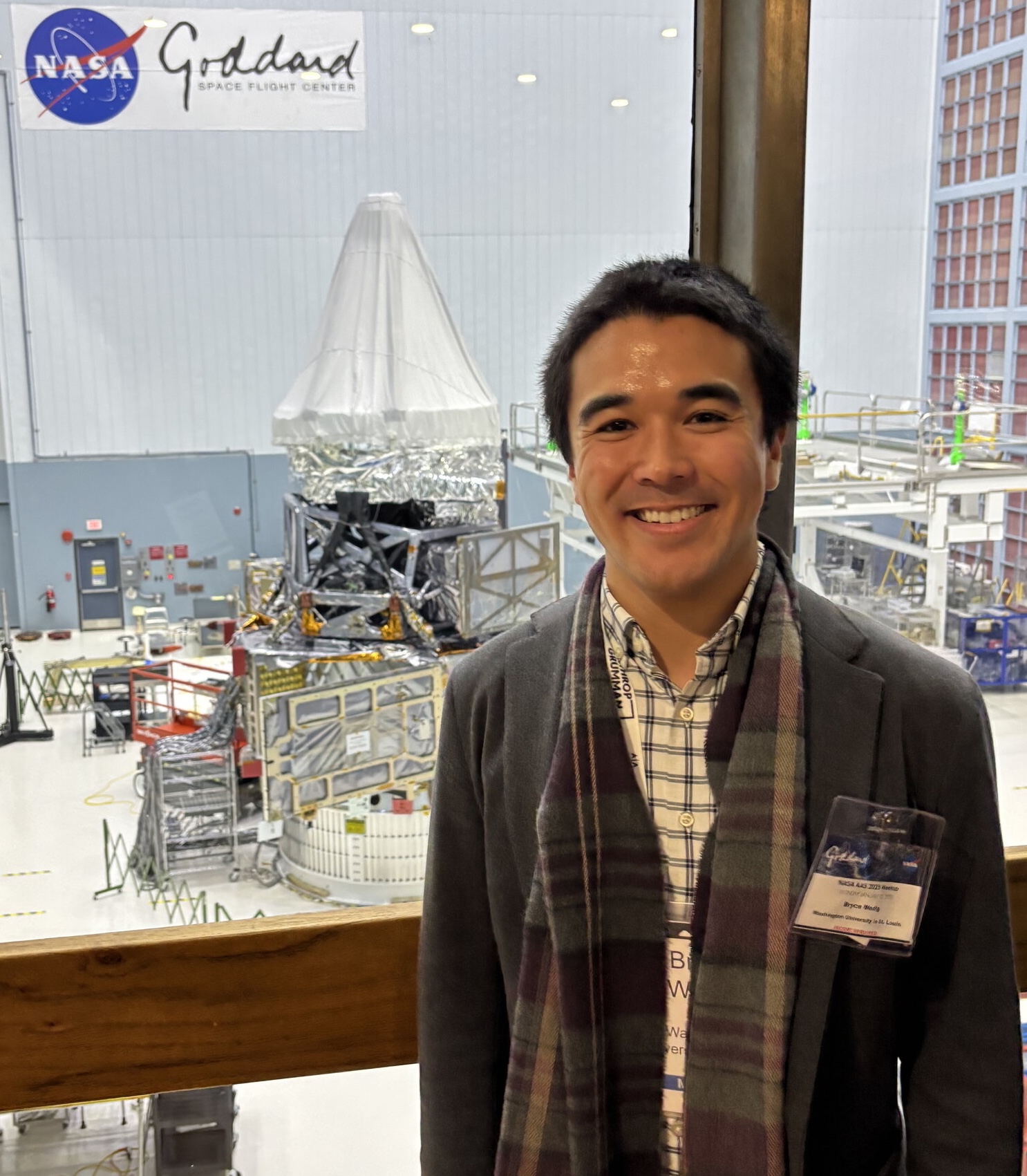
Bryce Wedig
Bryce is a PhD candidate in the Department of Physics at Washington University in St. Louis. He studies small-scale dark matter in distant galaxies using space telescopes. He is a co-president of WashU’s science policy group ProSPER and works on the SNAP website.
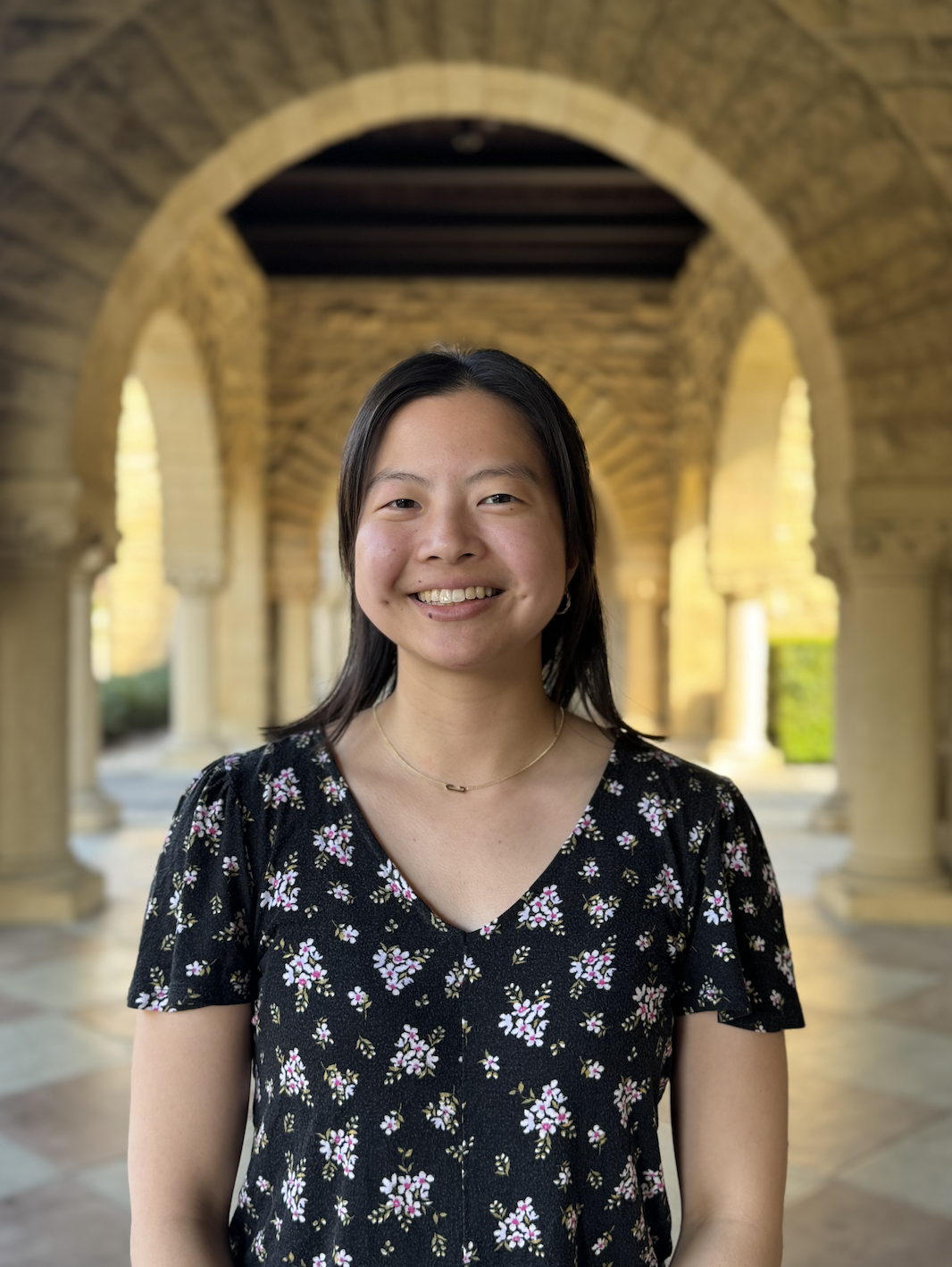
Casey Chan
she/her
Casey Chan is a PhD candidate at Stanford University in the Department of Chemistry. Casey studies the coevolution of plants and insects using the essential enzyme acetylcholinesterase and plant inhibitors of this enzyme as a case study. She enjoys science communication and is involved in science journalism publications and policy groups on campus and beyond. Casey plans to continue exploring science communication and policy throughout her PhD, and is excited to be part of SNAP!
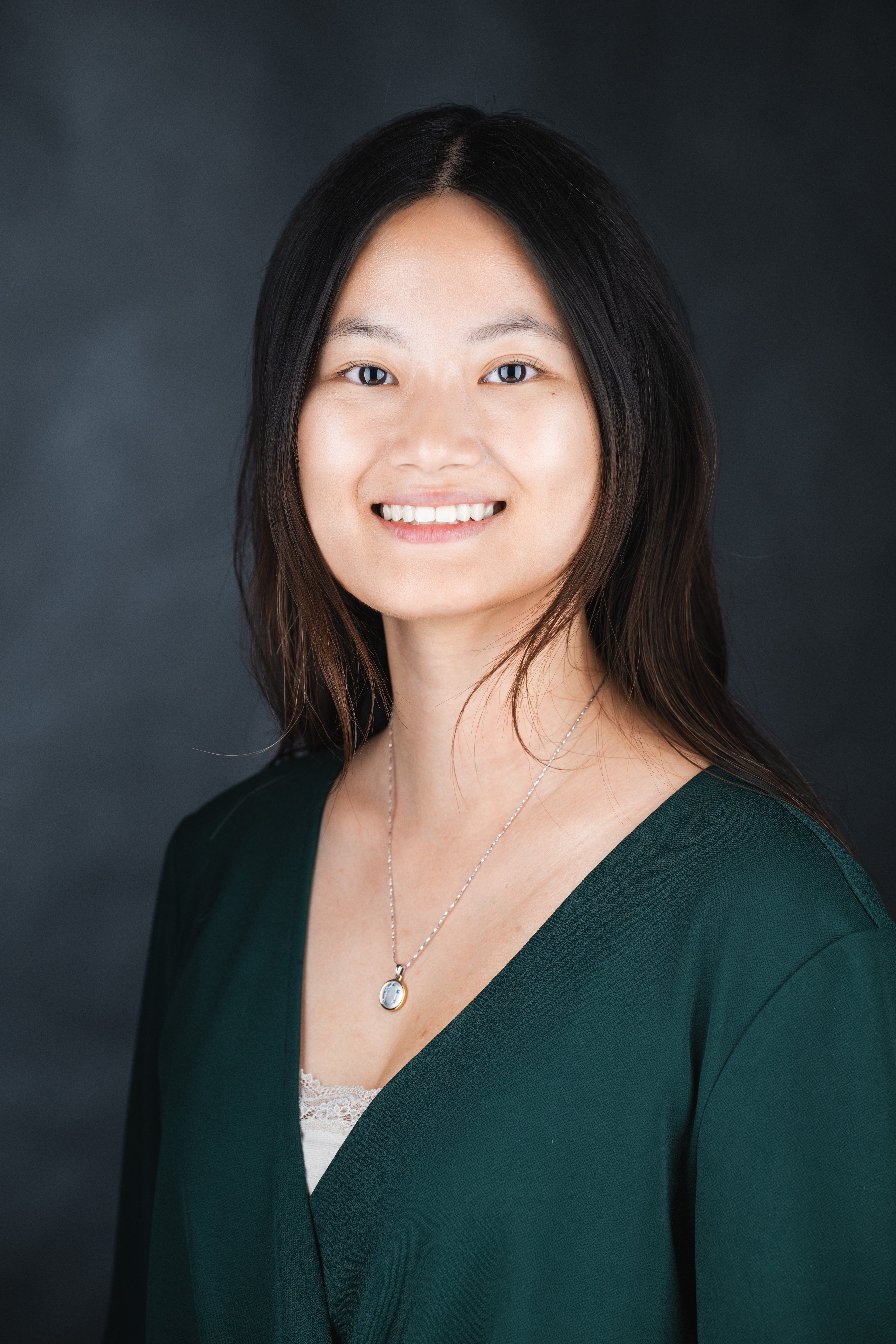
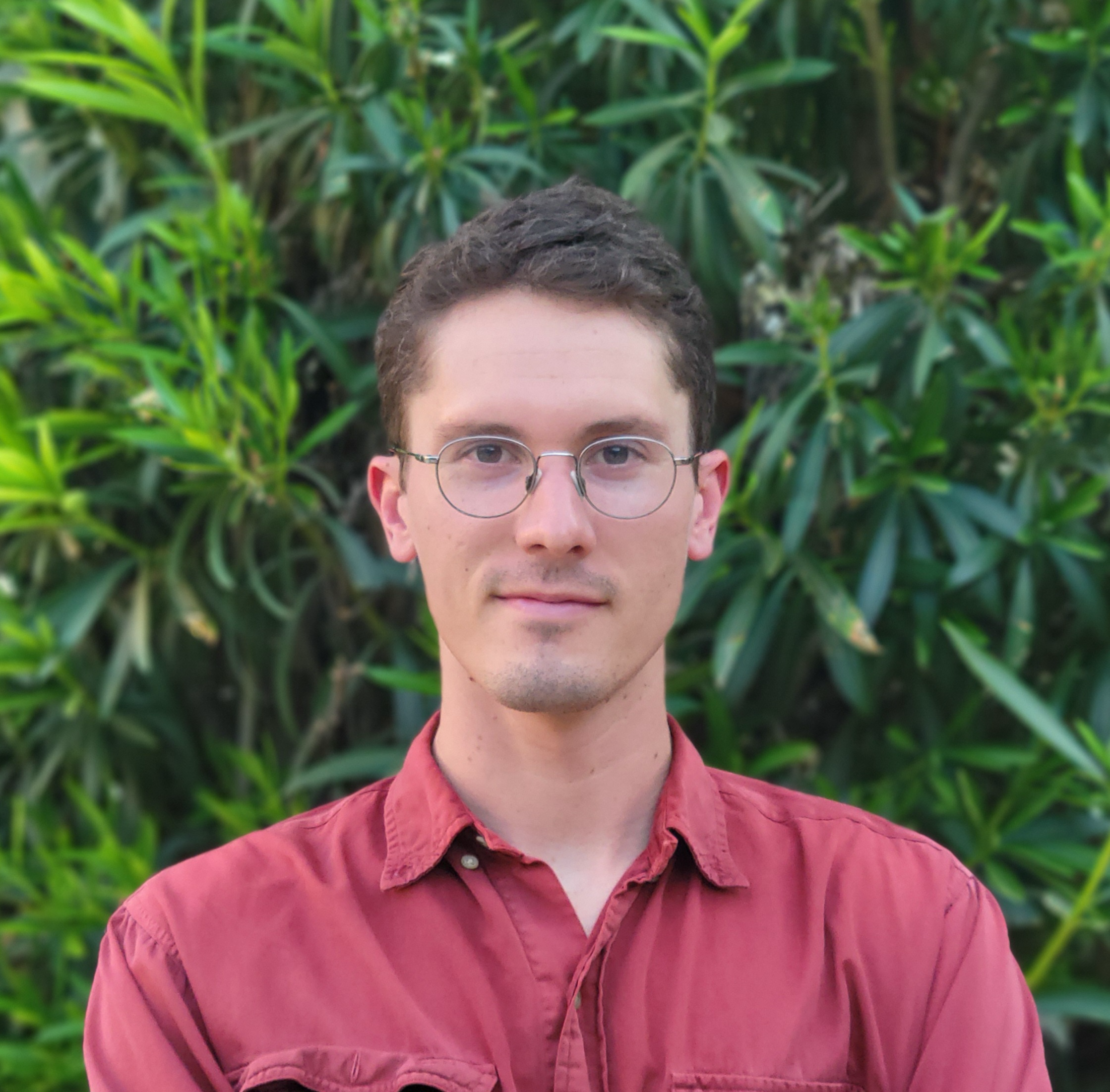
Daniel Affsprung
Dan Affsprung is a PhD candidate studying History and Philosophy of Science at Arizona State University. His dissertation examines US Congressional efforts to make science and technology more responsive to society’s needs. In 2024-2025, Dan was a Science, Technology, and Society Fellow at the Harvard Kennedy School of Government. He recently co-designed and taught a course on STS for the Kyiv School of Economics in Ukraine.
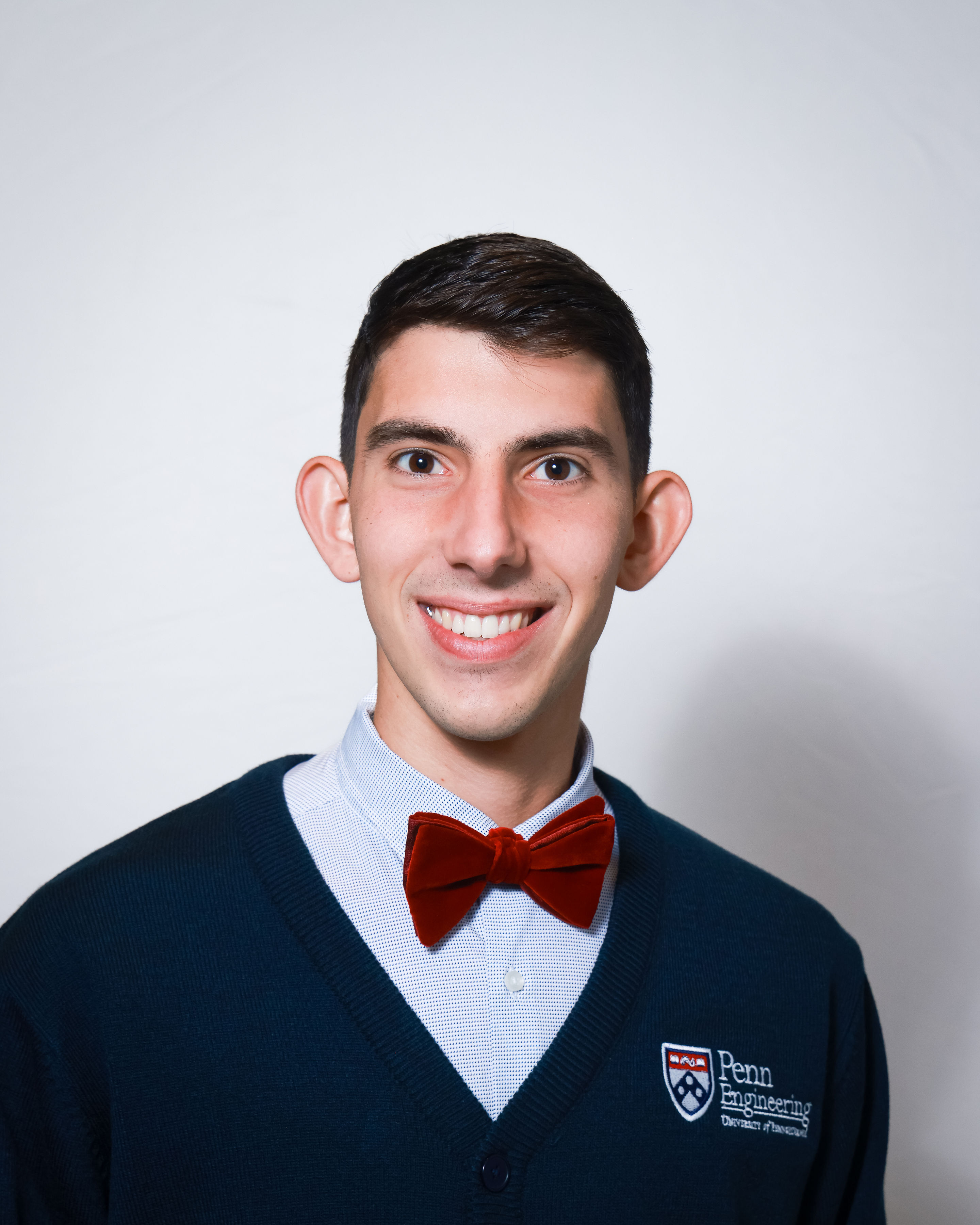
Dimitris Boufidis
Dimitris Boufidis is a Ph.D. Candidate in Bioengineering at the University of Pennsylvania and Science Diplomacy Chair of the Penn Science Policy and Diplomacy Group (PSPDG), working at the intersection of emerging neurotechnologies, science diplomacy, and the societal implications of science.
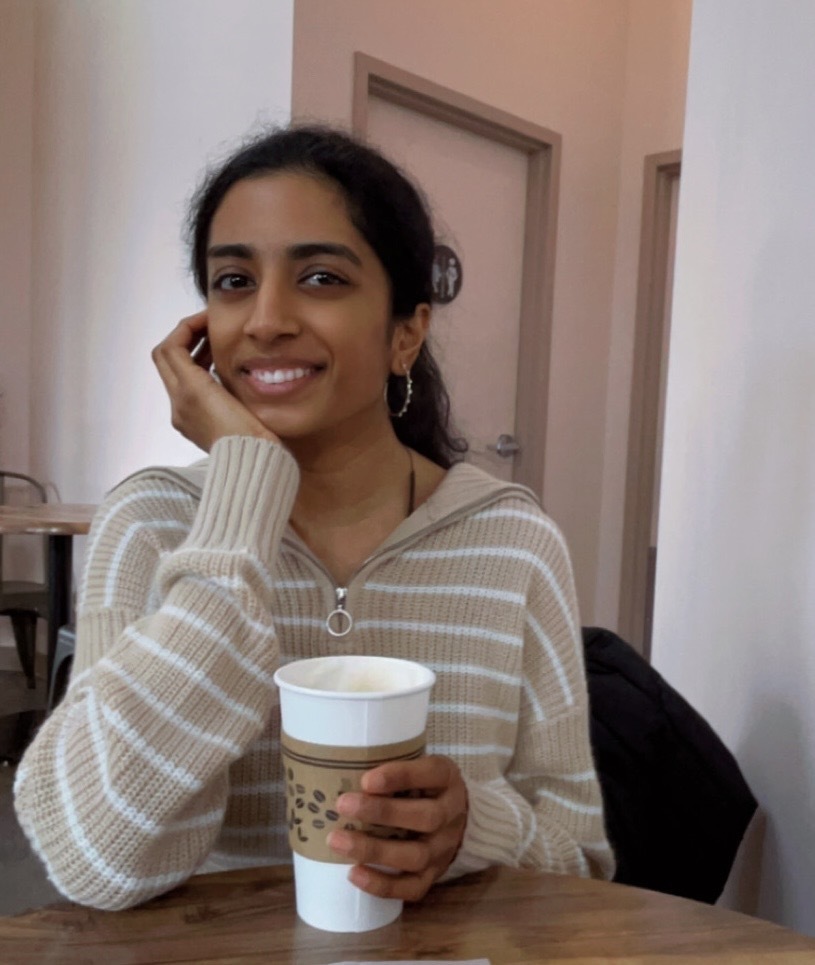
Disha Patel
Disha is a 4th year Biochemistry PhD Candidate at the University of Notre Dame. She has been co-president of the Science Policy Initiative at Notre Dame for two years.
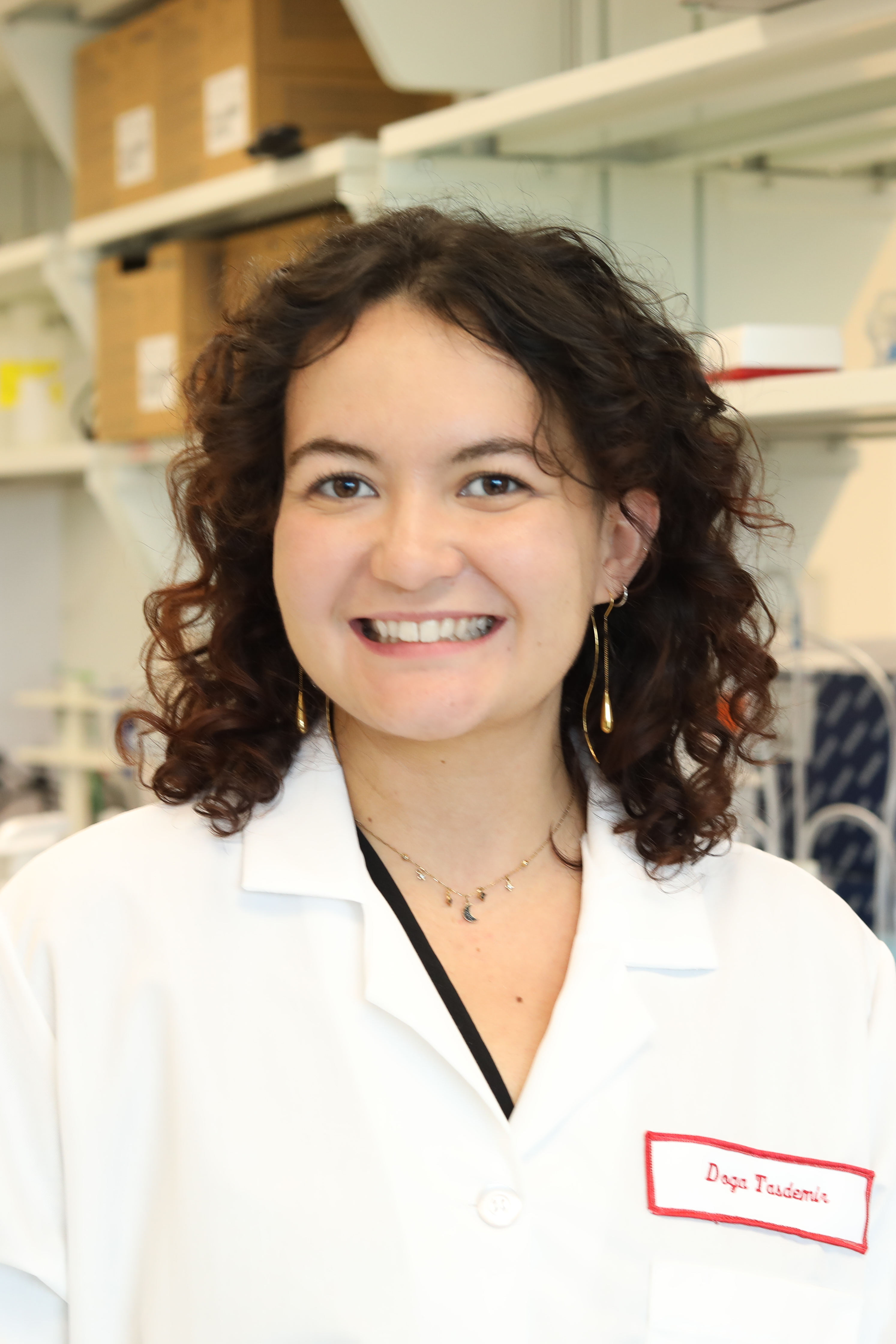
Doga Tasdemir
she/they
Doga is a 3rd year Infectious Disease and Immunity PhD candidate at Temple University, Lewis Katz School of Medicine. She is investigating the role of extracellular vesicles in neuroinflammation following HIV infection and opioid use. She is President and Communications Lead at the Temple Science Communication, Advocacy, and Policy group. Outside the lab she loves baking, photography, and rock climbing, and aerial arts!
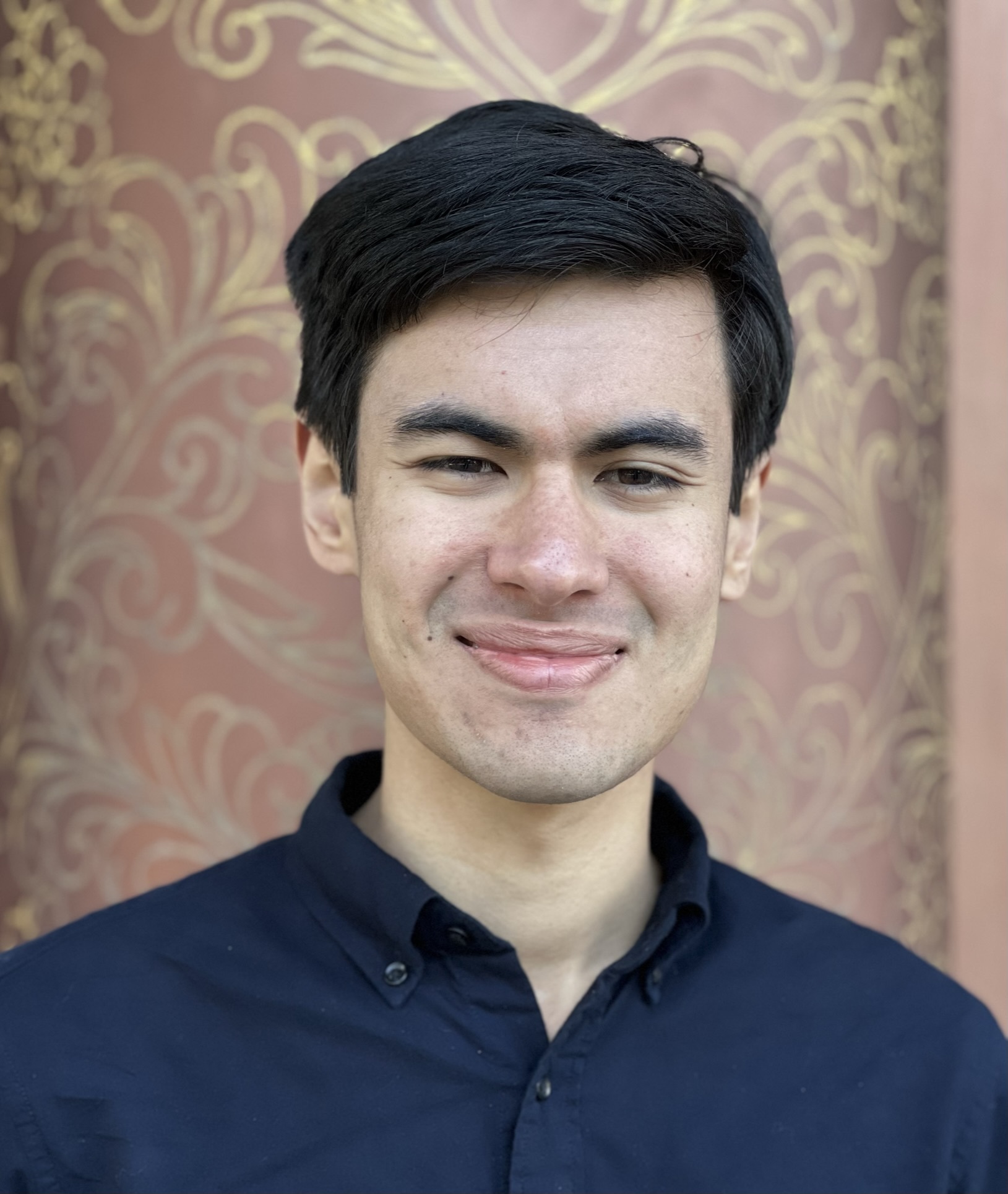
Doran Goldman
Doran is a PhD student in Microbiology at the University of Wisconsin-Madison studying bacteriophages and antibiotic resistance. He is passionate about science communication, especially in areas of Wisconsin outside of Madison, and improving the accessibility of research education. In his free time he enjoys birding, singing in choir, and climbing.
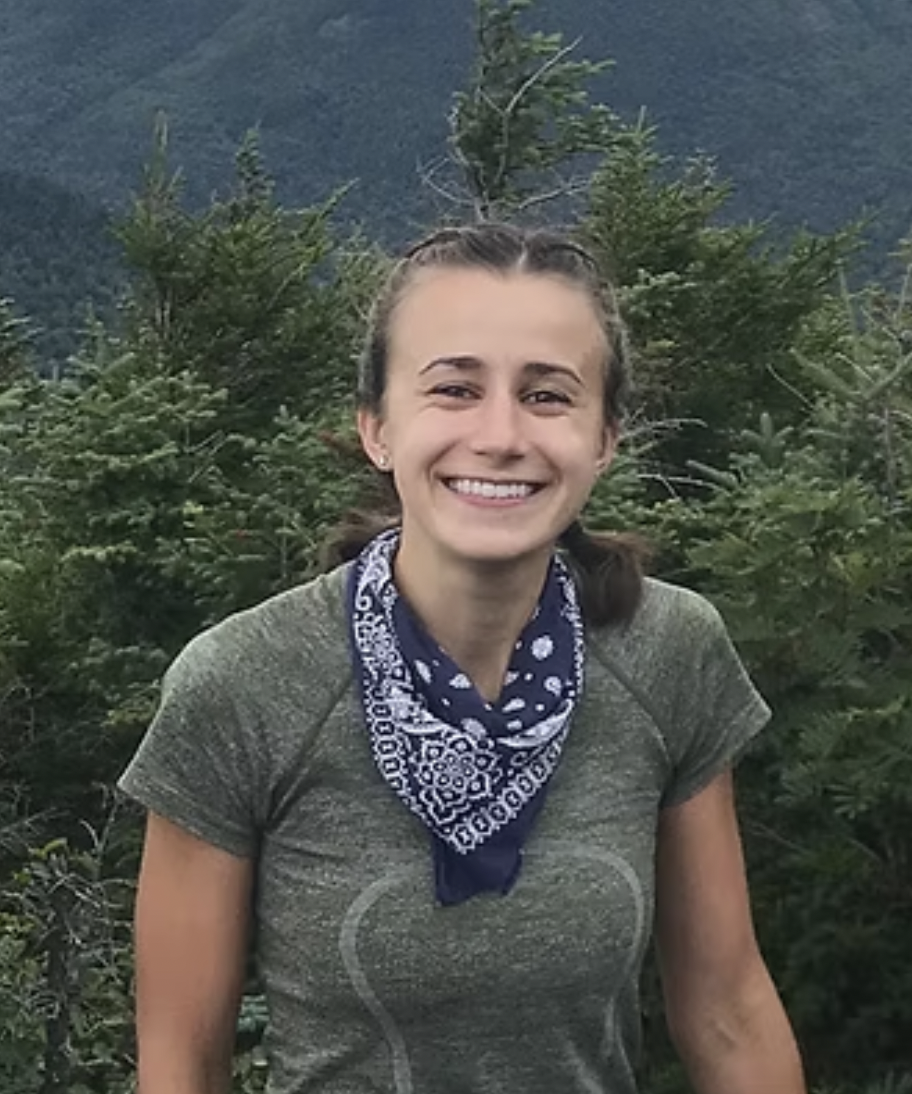
Emily Selland
she/her
Emily is a Public Health Disease Ecologist and fifth year PhD Candidate at the University of Notre Dame. As co-president of the Science Policy Initiative at Notre Dame for two years, she co-led two Science Communication Days at the Indiana State House and rebuilt a monthly community outreach event, Michiana Science Cafe, but she is always searching for more things to learn and ways to reach the public and advance science-driven policy through SNAP!
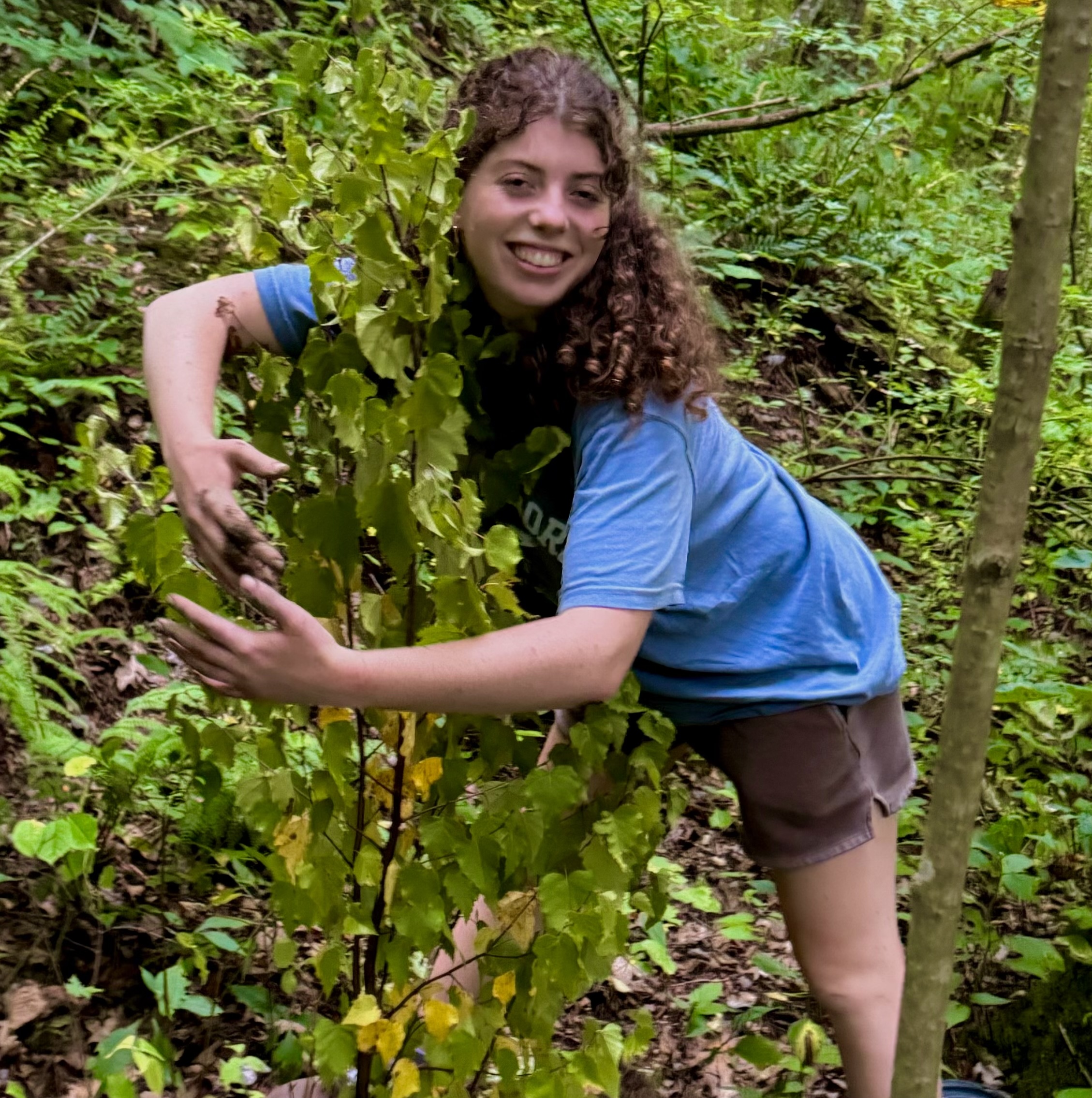
Emma Scales
McClintock Letters lead organizer, Ph.D. student at Cornell University School of Integrative Plant Sciences
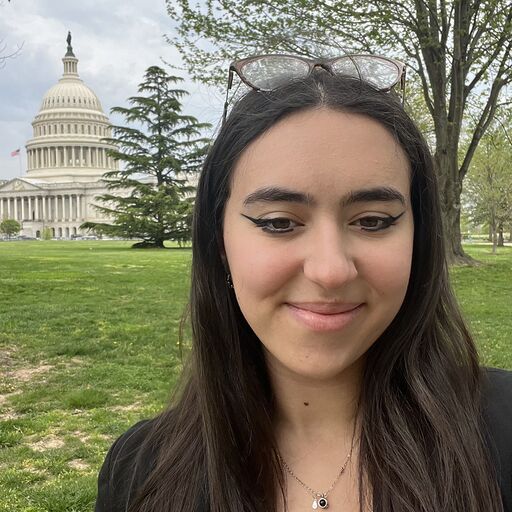
Erin Morrow
she/her
Erin is a 4th year PhD student in cognitive neuroscience studying memory and emotional arousal in PTSD. She is co-president of the Science Policy Group at UCLA. Erin is a Georgia native, and is passionate about humility-driven approaches to science engagement and increasing the visibility of science policy as a career path.
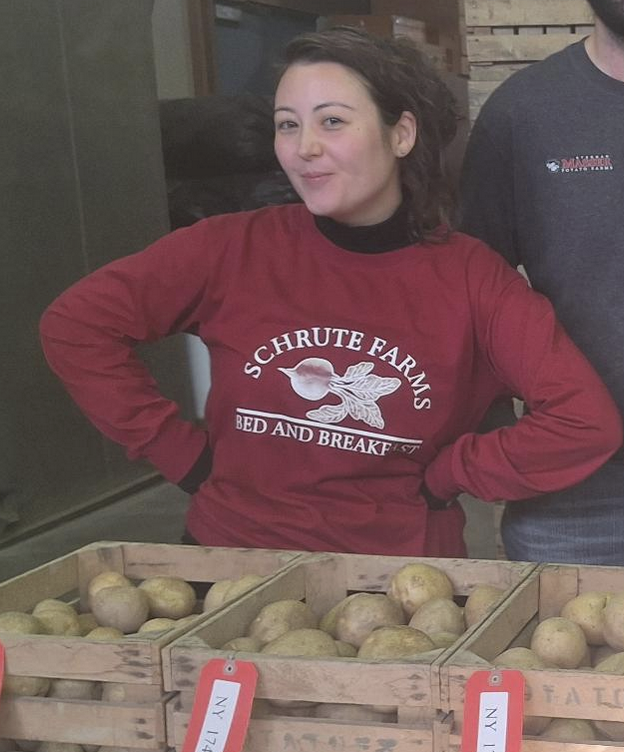
Isako (Izzi) Di Tomassi
she/her
Agricultural researcher and a 2nd-year PhD student at Cornell University, Izzi studies ways to fight late blight disease. Driven by a desire to contribute in some way to sustainable global food security, whether that is as a scientist, through extension work, or through policy work. A leader in Cornell Advancing Science and Policy Club.
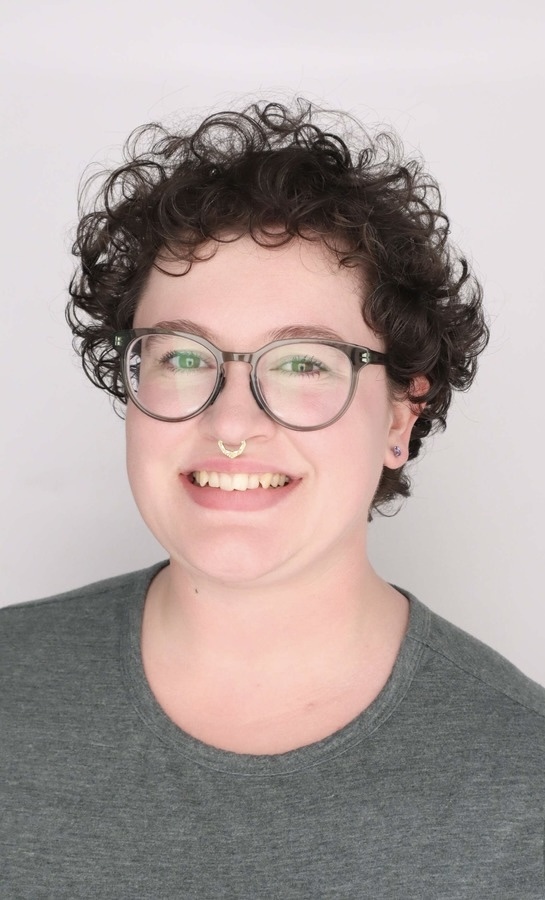
Jordan Williams
she/her
Jordan is a pharmacology PhD candidate at the University of Pennsylvania researching upper respiratory diseases, calcium signaling, bitter taste receptors, and GPCRs. Her research interests have always centered around enzymes and their role in human health, whether in breast cancer research, drug metabolism and pharmacokinetics, bitter taste receptors, etc. Jordan wants to help scientists become better communicators of their work – regardless of the audience, and holds a special interest in increasing science literacy and communication in rural areas (like her native Idaho), where scientific resources and outreach are already sparse.
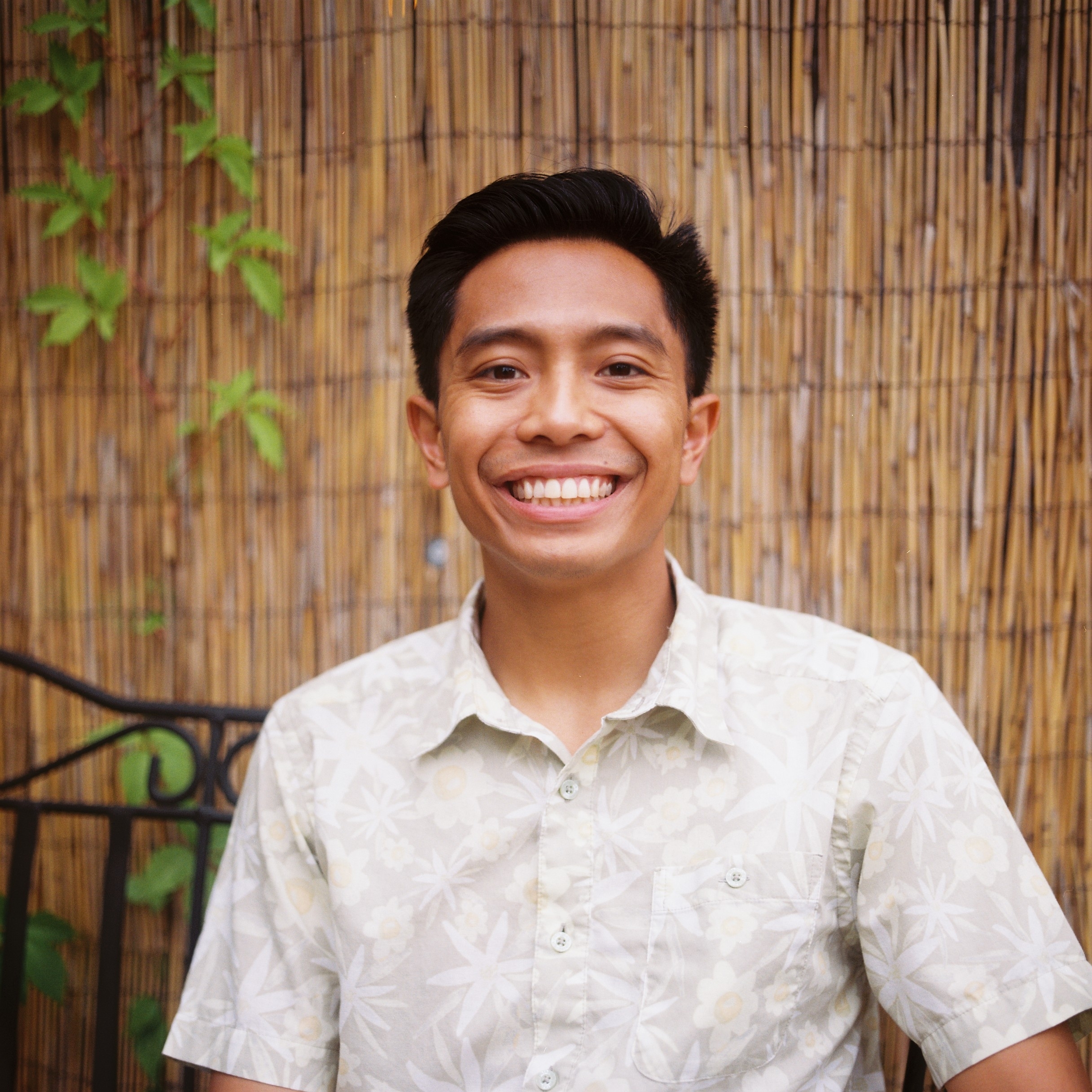
JP Flores
he/him
JP is a Fulbright Scholar in Milan, Italy and HHMI Gilliam Postdoc at Case Western Reserve University. He finished his PhD in Bioinformatics & Computational Biology at UNC Chapel Hill, where he also completed a Graduate Certificate in Innovation for the Public Good.
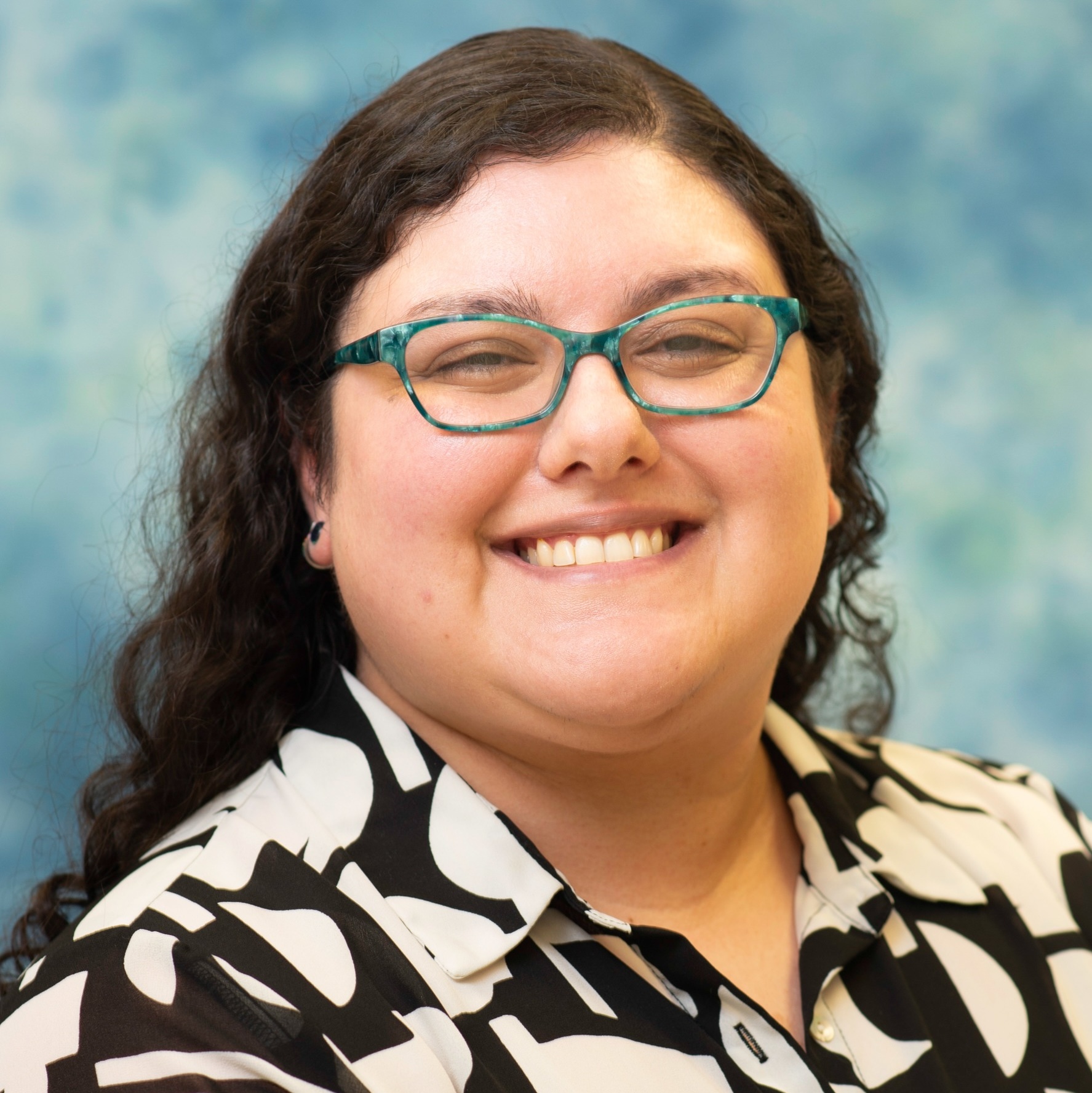
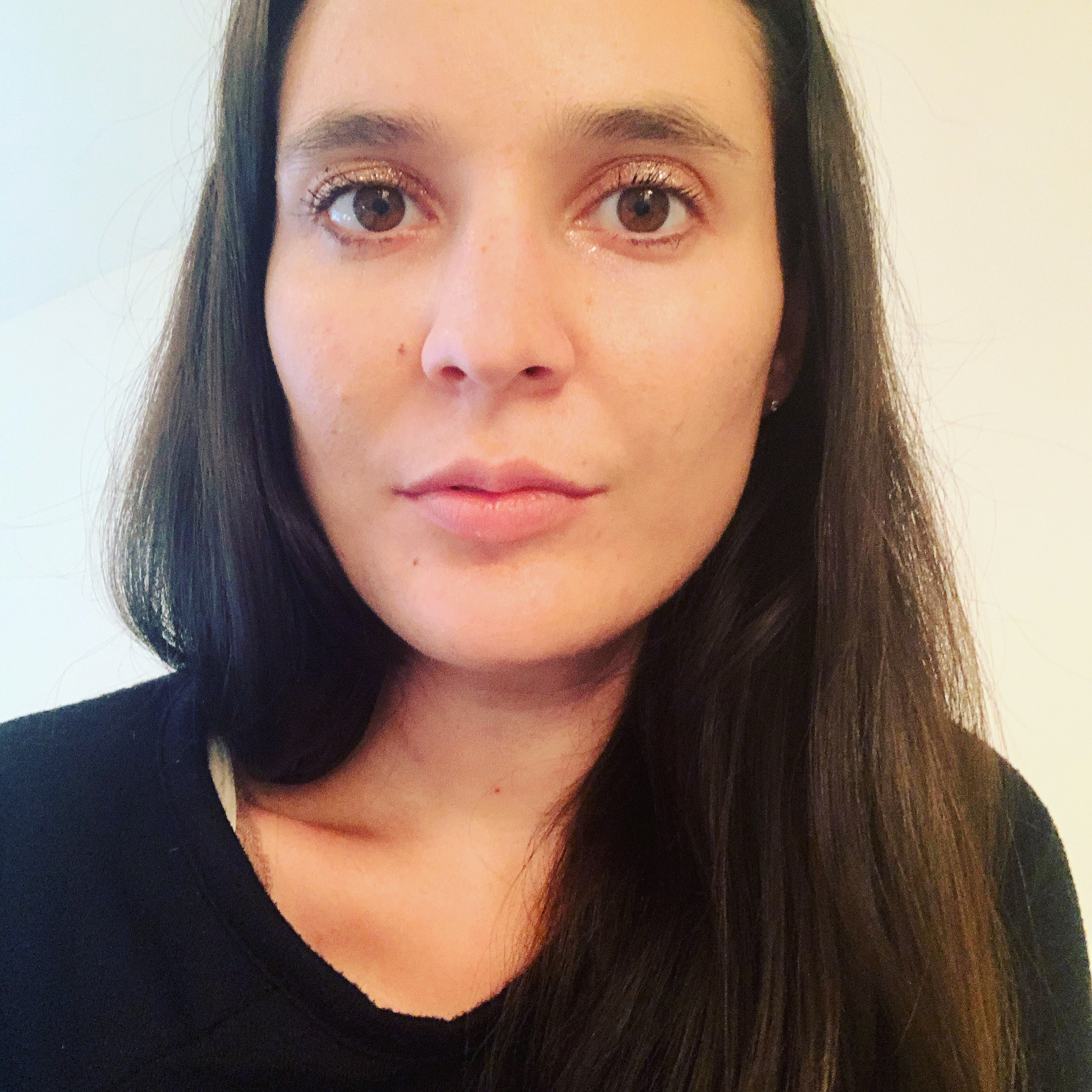
Leigh Harrison
She/Her
Leigh brings an interdisciplinary perspective to scientific research and policy. With a background in law and a developing focus on neuropharmacology and biomedical sciences. Her interests lie at the intersection of scientific discovery, evidence-based policy, and the legal and regulatory frameworks that shape biomedical research and its applications. As she prepares to pursue doctoral study, she is particularly interested in how scientific evidence can inform policy, advance biomedical understanding, and support responsible decision-making.
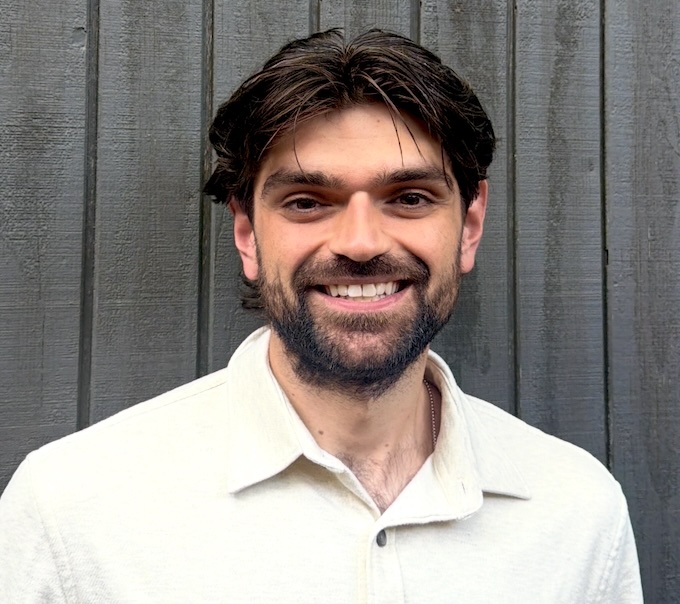
Mac Camardo
Mac is a 3rd year PhD candidate in the Department of Biomedical Engineering at the University of Illinois Chicago, conducting his research at the Shirley Ryan AbilityLab. He earned his BS (MechE) and MS (BME) at Case Western Reserve University. His research focuses on exoskeletons and personalized gait training for stroke rehabilitation. He is passionate about open science and making health technology more accessible.
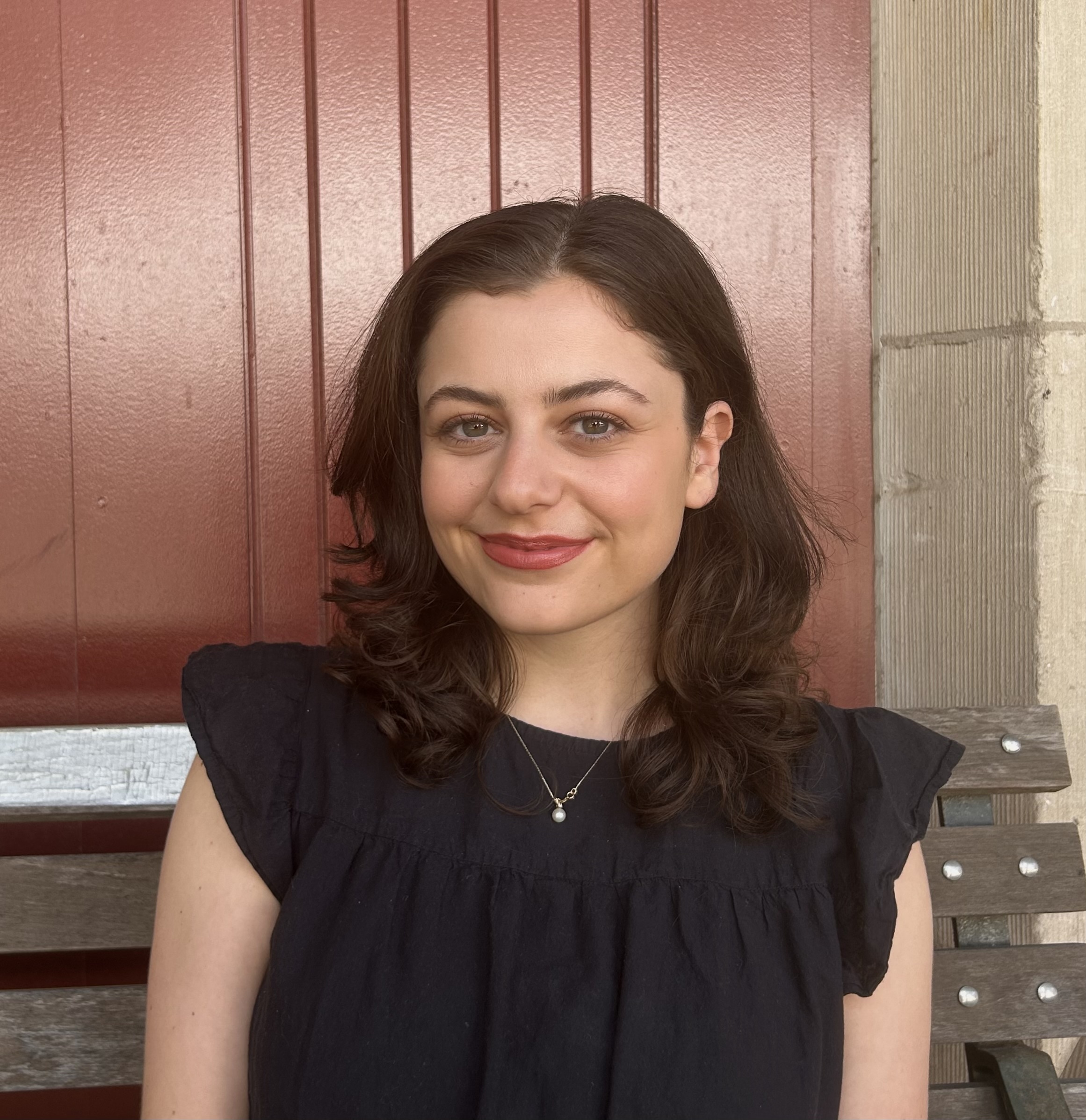
Maria Maltepes
she/her
Maria Maltepes (she/her) is a PhD candidate in Biology at the University of Pennsylvania. Maria studies how influenza evolves across different hosts with the goal of predicting emerging infectious disease threats and guiding timely public health responses. She is also interested in how scientists can engage effectively with diverse communities, policymakers, and global stakeholders, including in contexts where scientific credibility and public trust are contested.
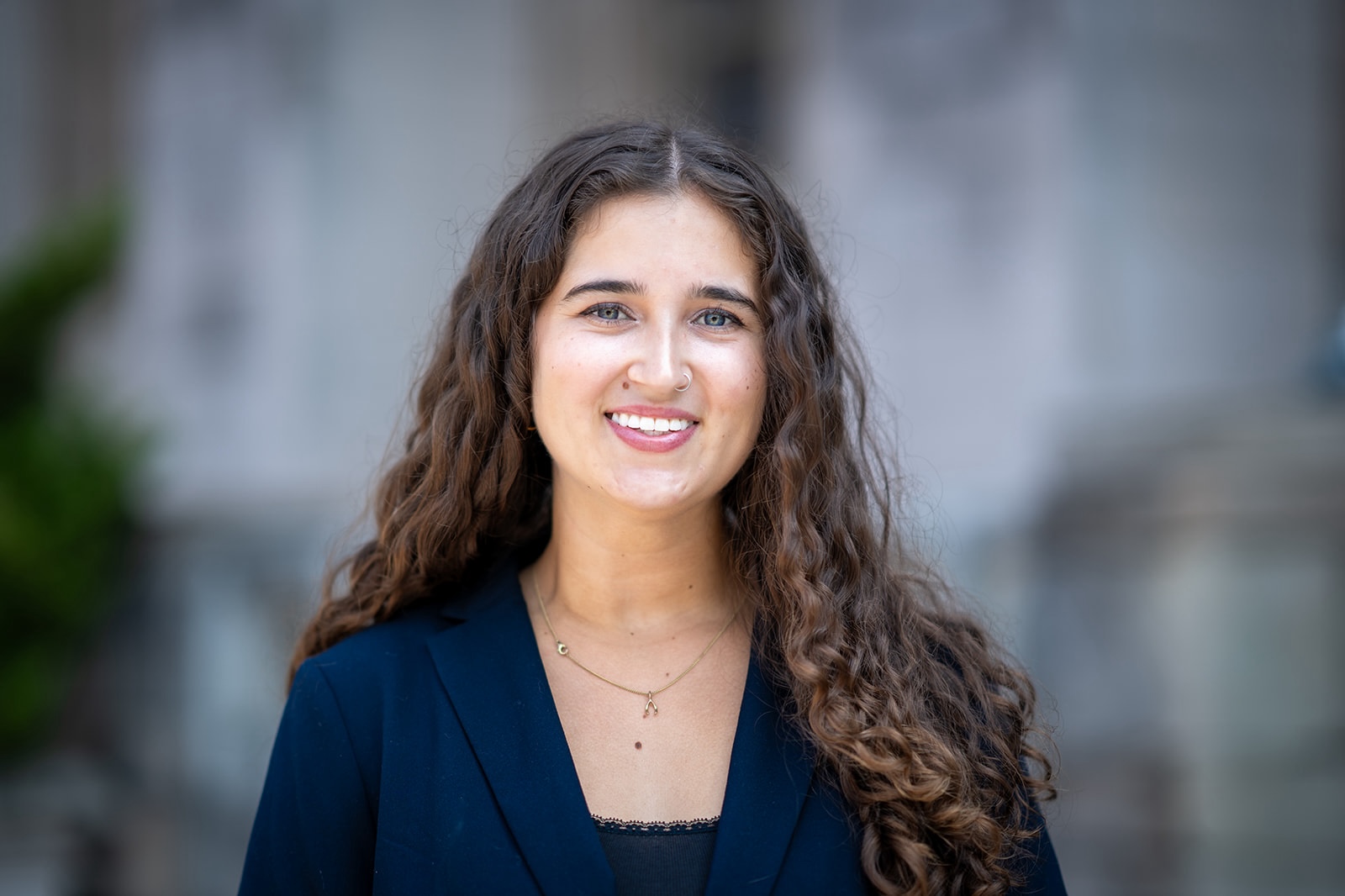
Maya Singh
she/her
Maya Singh is a PhD student in bioengineering at the University of Washington, where she focuses on creating low-cost tests to measure long-term HIV medication levels. She is passionate about being at the intersection of global health, engineering, and public policy to understand the impact of her work on people living with HIV.
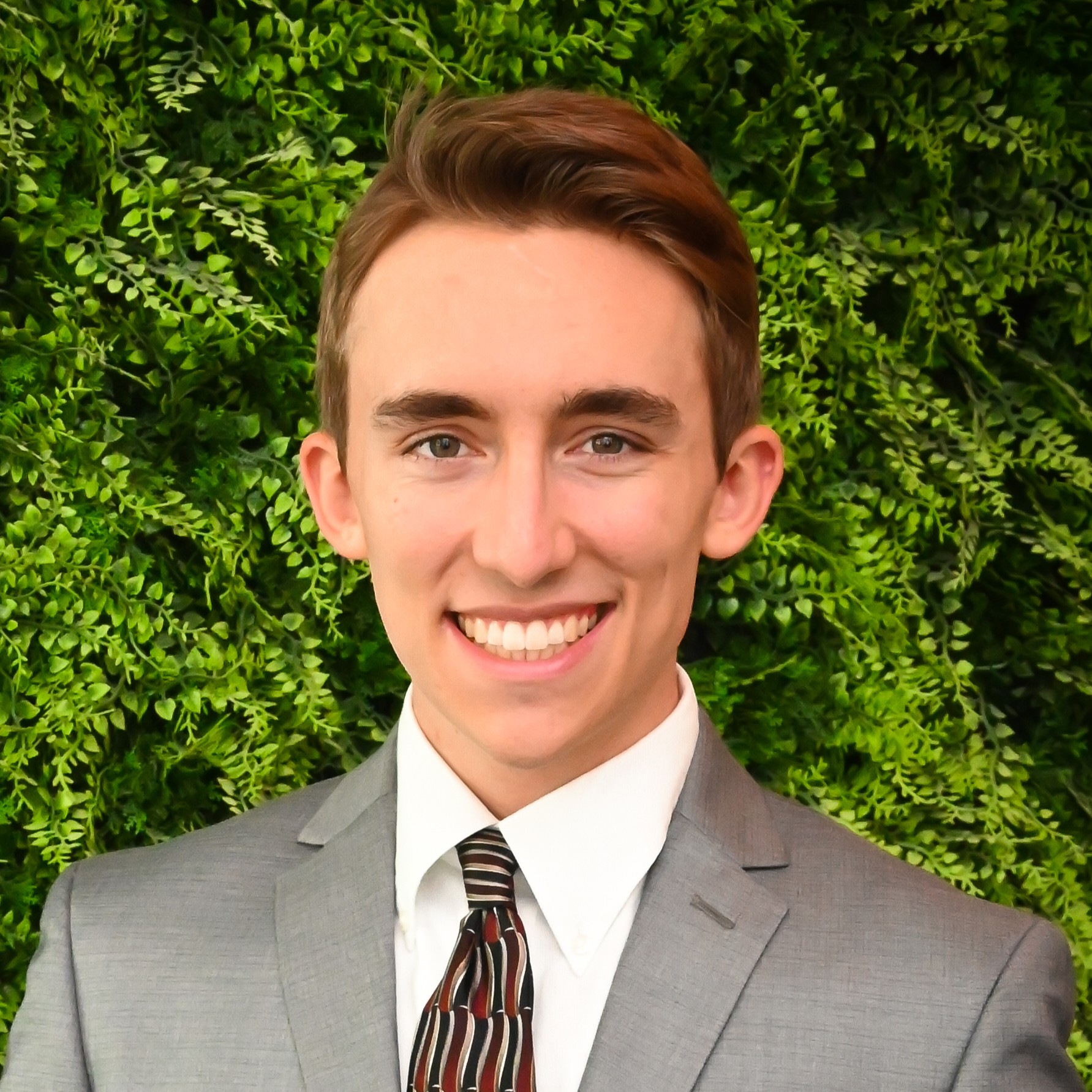
Michael Kaven
he/him/his
Michael is a PhD candidate in biomedical engineering at University of South Carolina. His research profile spans (1) in vitro modeling of neuroinflammation, (2) inhibiting Alzheimer’s disease-associated protein aggregation via natural polyphenols, and (3) engineering safe pasteurization methods for breastmilk to maximize nutritional chemistry for infants. Michael enjoys volunteering as Reviewer in local science fairs and as Laboratory Supervisor of AP Research students. At SNAP, Michael advances his passion for science policy, which began with his 2018 presentation to Gov. Snyder of Michigan on the importance of expanding internet access to rural areas for education and STEM opportunities.
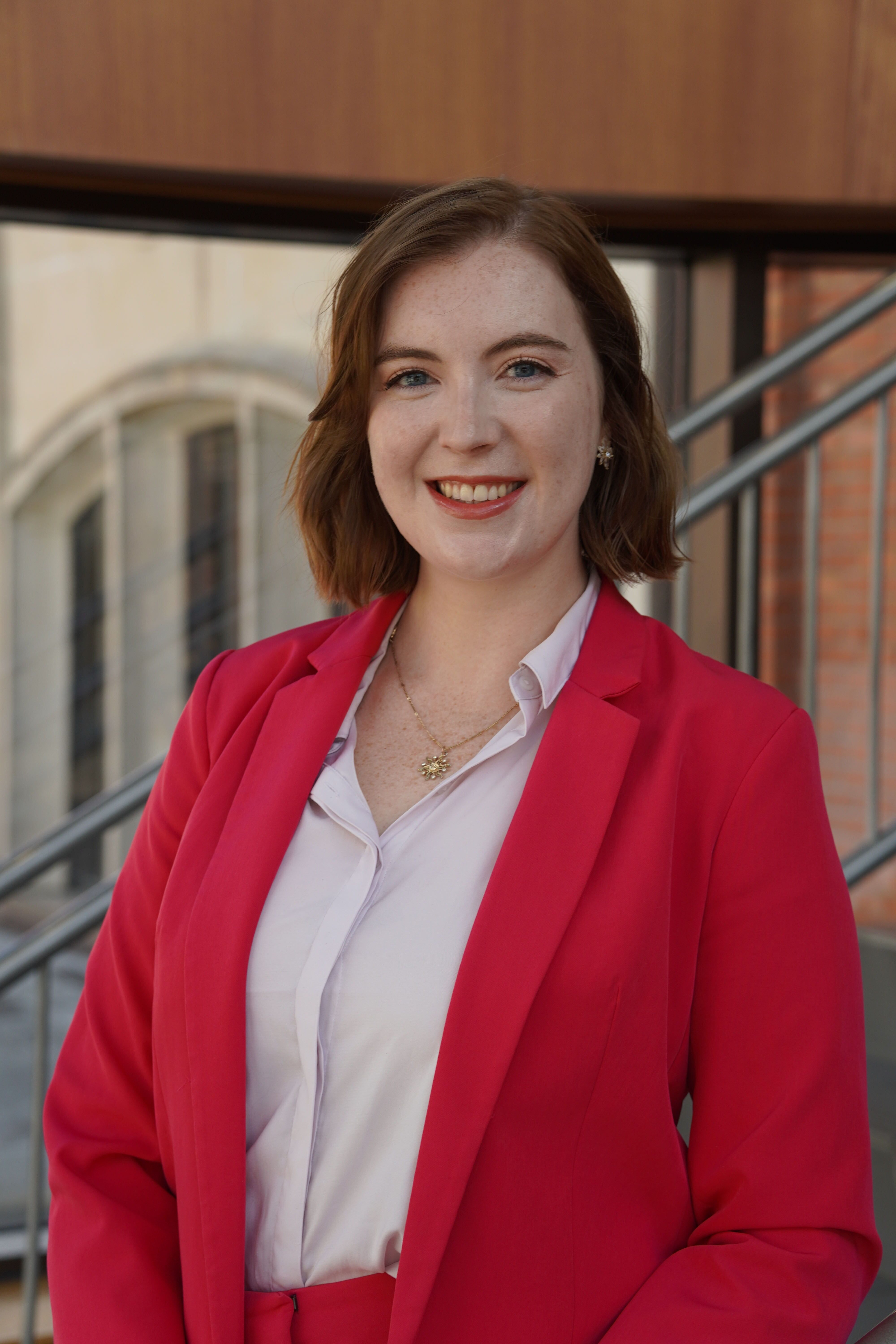
Mikayla Smith-Craven
Mikayla is a recent doctoral graduate from the University of Kansas Pharmaceutical Chemistry Department. Her research focused on improving drug formulation and delivery of life-saving drugs amphotericin B and zidovudine, to increase patient comfort and accessibility to their medications. During her final year as a PhD student, she founded the student-led organization Jayhawks for Science Policy at the University of Kansas, which continues to thrive today. Mikayla is a Kansas native, and recently moved to Michigan for her career, where she hopes to continue to engage with the local community by focusing on her passion for connecting science and scientists to community members.
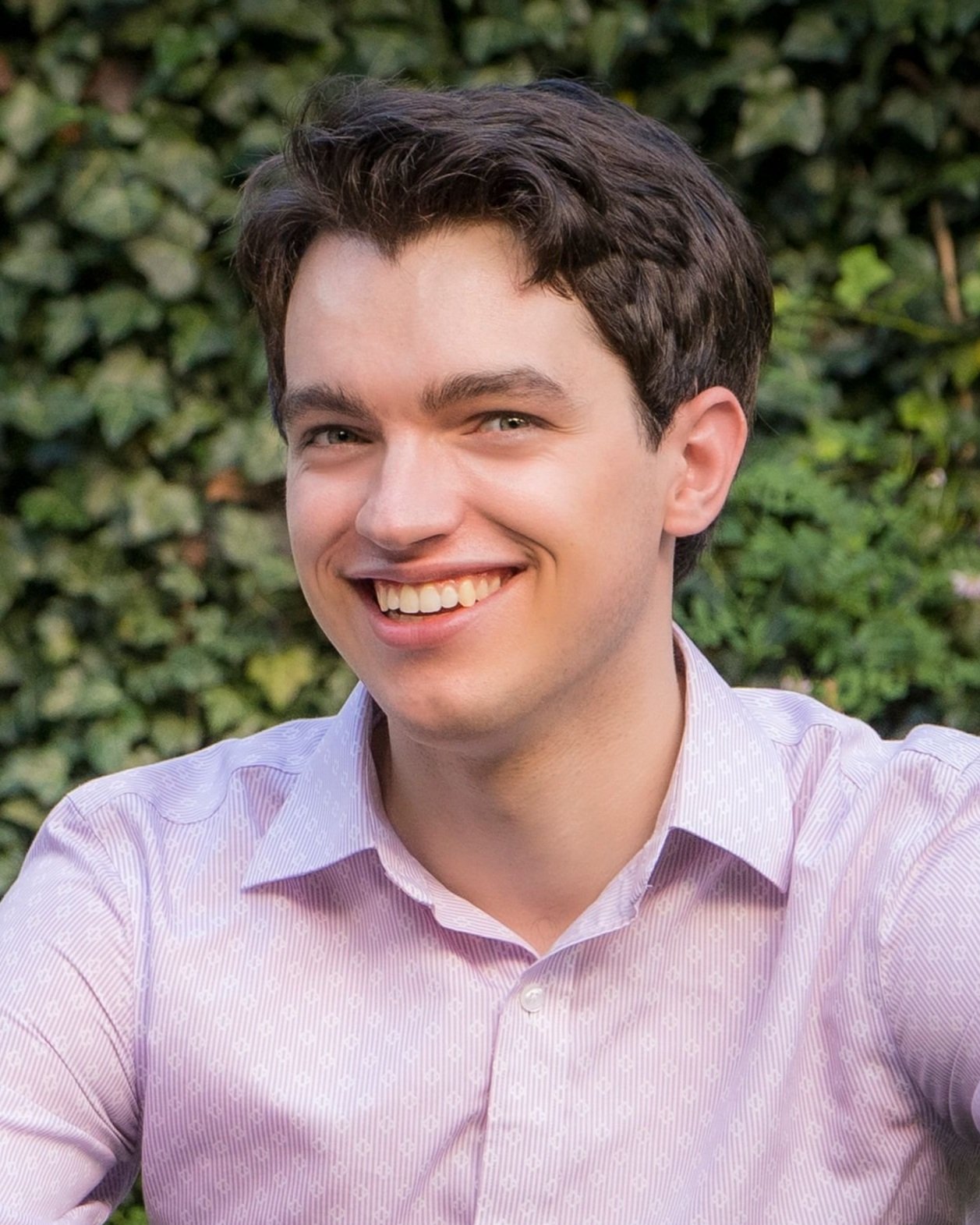
Miles Arnett
Miles is a 3rd year PhD student in the Bioengineering department at the University of Pennsylvania and the President of the Penn Science Policy and Diplomacy Group (PSPDG). He also loves volleyball, card games, and cheering on his hometown Boston sports teams!
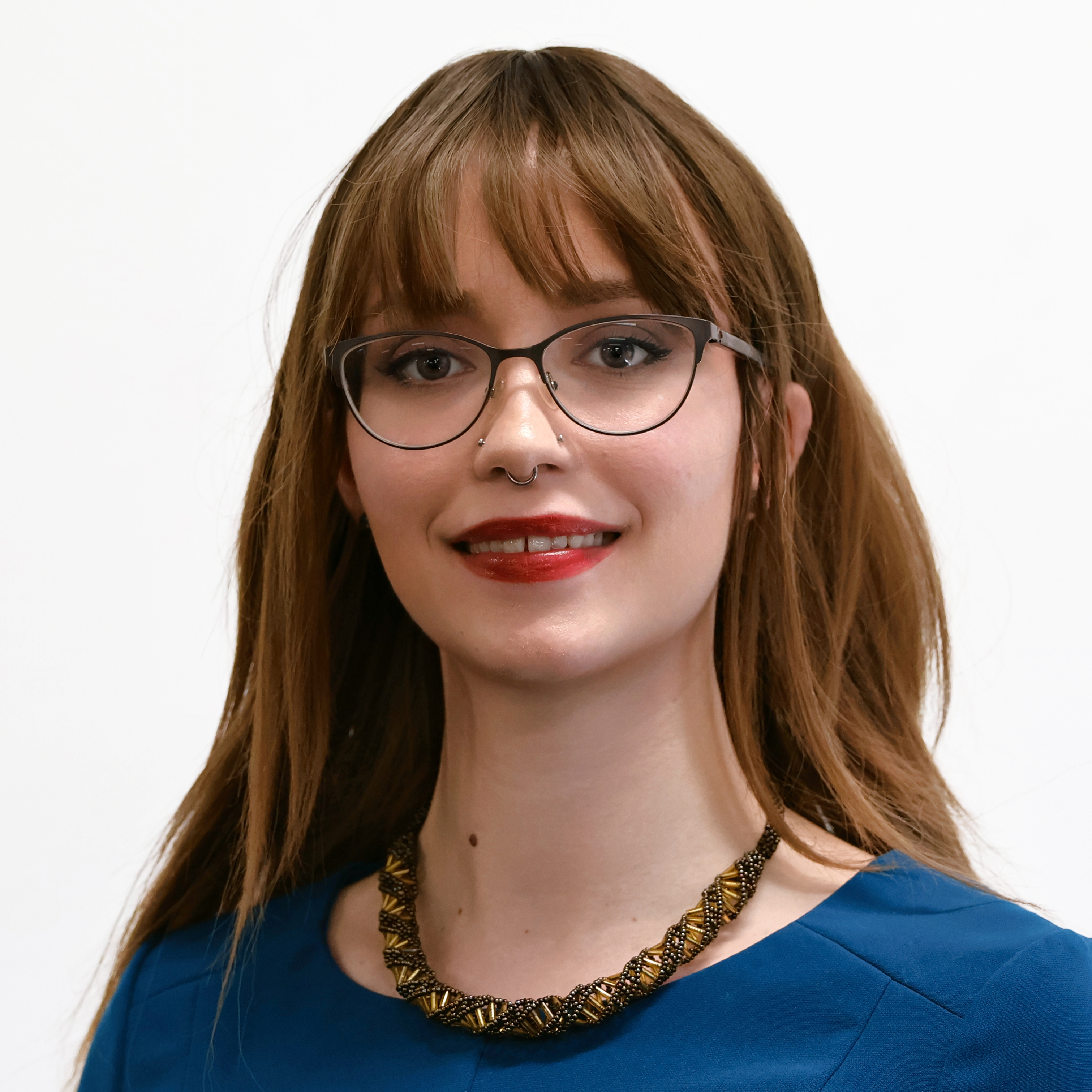
Olivia A. Asher
Olivia A. Asher is a 5th-Year PhD Candidate and Presidential Fellow in the Institute of Bioinformatics at the University of Georgia. Her research focuses on Arbuscular Mycorrhizal Fungi (AMF), a group of fungi that live in ~80% of land plants and can be used to promote plant growth. Olivia is also a Department of Energy Computational Science Graduate Alumna. As part of this fellowship, Olivia conducted research at Los Alamos National Laboratory on Mollicutes-Related Endobacteria and on optimizing enzymes for digesting plastics as part of the Bio-Optimized Technologies to keep Thermoplastics out of Landfills and the Environment (BOTTLE™) project in the summer of 2022. In her free time, Olivia has taken on leadership roles in the Coalition of Athens Scientists, University of Georgia’s Graduate Pride organization, the Bioinformatics Graduate Student Association, and the Plant Center Spring Symposium Planning Committee. Public service is one of Olivia’s core values, and she regularly volunteers with local organizations including Science for Georgia, Campus Kitchen, Concrete Jungle, and Sandy Creek Nature Center. Her hobbies include liminal space photography and observing turtles.
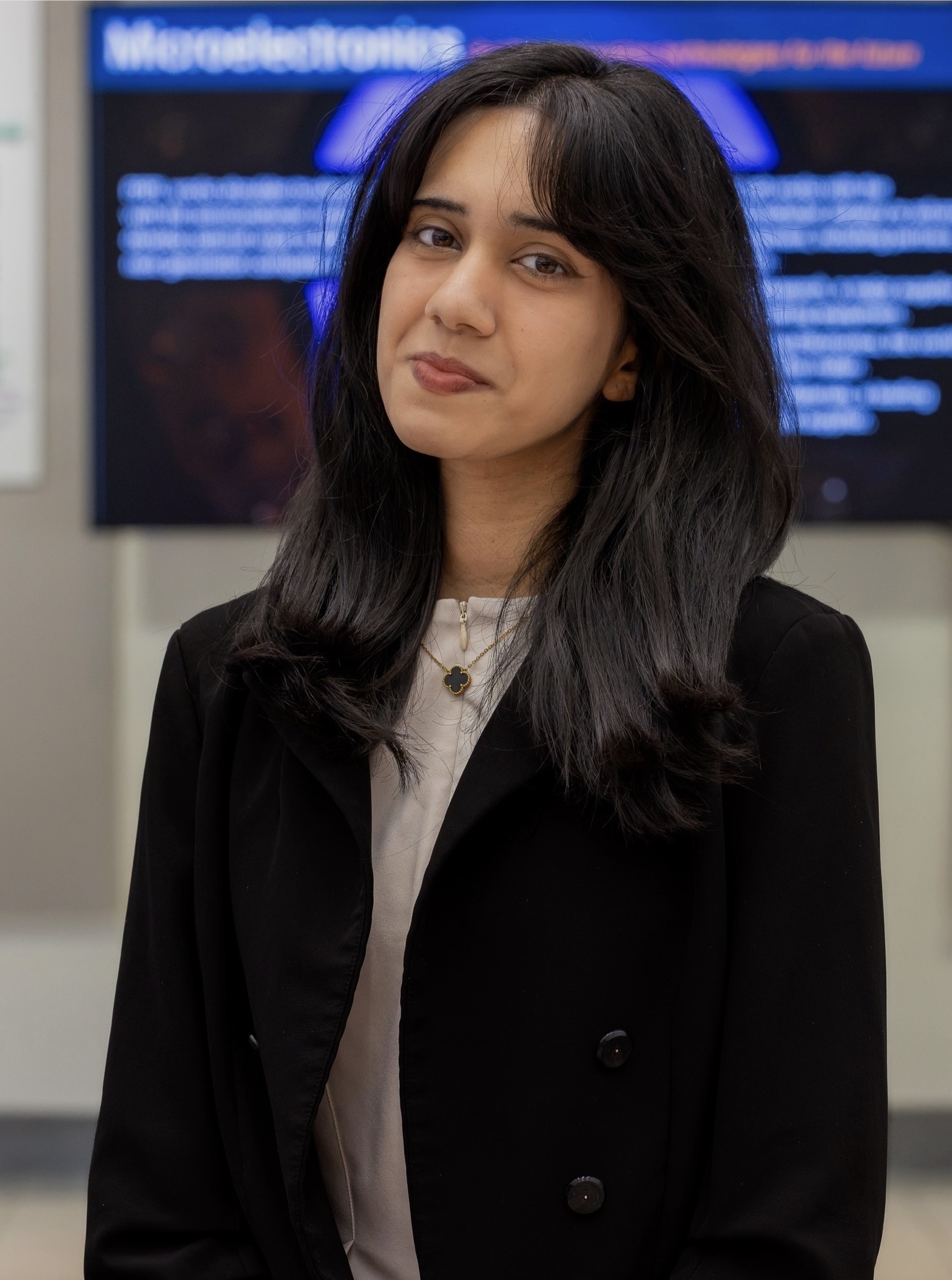
Rishika Porandla
she/her
Rishika Porandla is an undergraduate at Princeton University studying Astrophysics with minors in Engineering Physics and Materials Science & Engineering. As a student researcher at the Princeton Space Physics Laboratory and a Department of Energy intern at the Princeton Plasma Physics Laboratory, she optimizes entrance foils and electron energy analyzers for next-generation space plasma instruments. She is passionate about science policy as Princeton’s Student Ambassador to the American Physical Society, an AGU SPA Student Advisor, and Research-to-Policy Implementation Intern at Penn State.
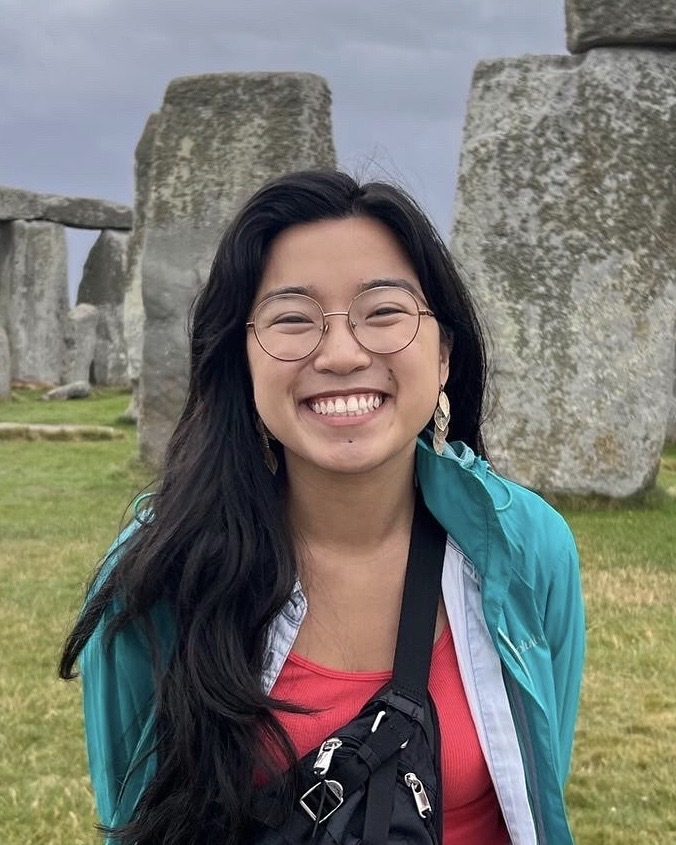
Rose Albert
she/her
Rose is a PhD candidate studying neonatal lung disease and serves as VP of the Penn Science Policy and Diplomacy Group. After growing up across the Southeast (MS, TN, AL, GA), her career goal is to provide scientific and policy support to frontline communities most impacted by environmental injustice in the Deep South. She loves maxing out her library card, blasting Waxahatchee, and hanging out with other policy nerds at PSPDG and SNAP!
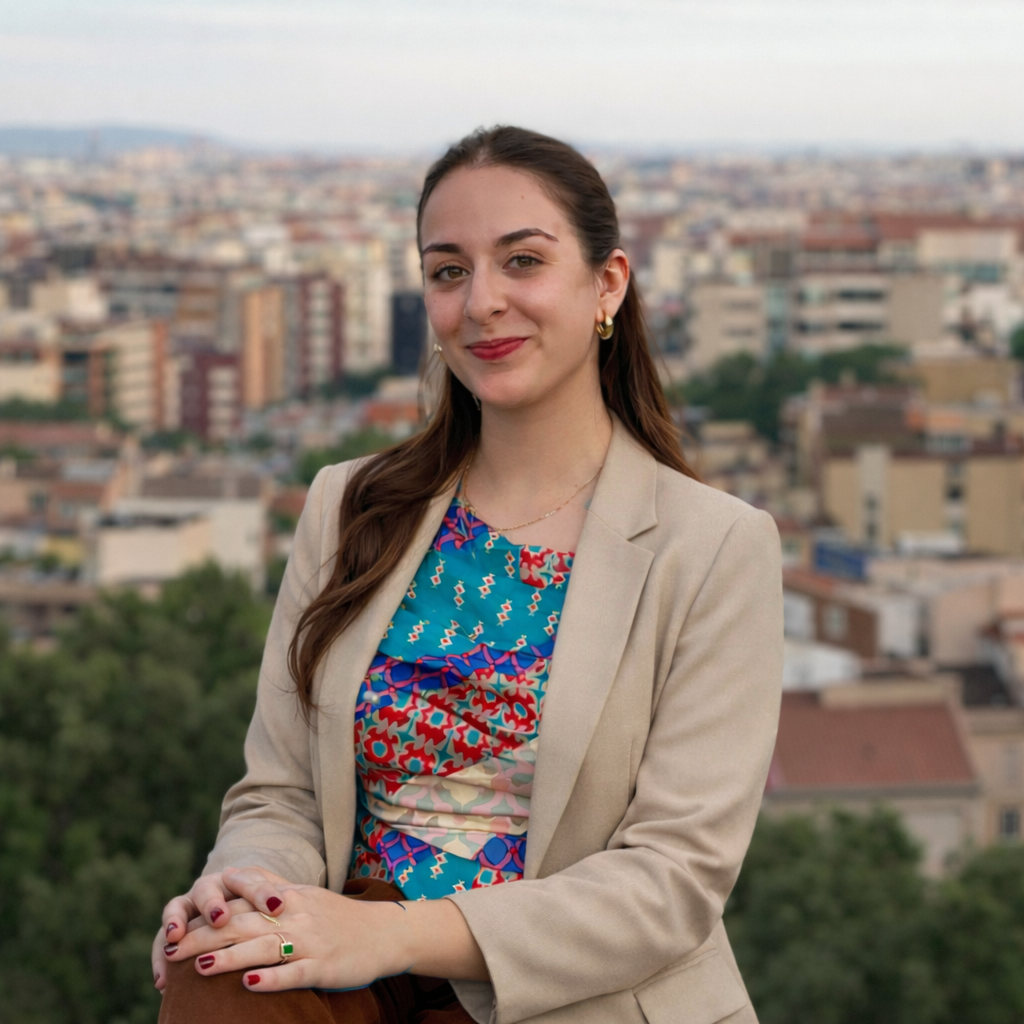
Sarah Berretta
she/her
Sarah is a current PhD student in Psychology at the University of Texas at Dallas, where she studies social and cognitive processes affected by psychosis, as well as neighborhood and community factors that influence psychiatric outcomes. She is passionate about science communication, advocacy, and connecting research to the people and communities it’s meant to serve. Outside the lab, she can be found wrangling her cat Bean, dog Miles, and turtle Jeff.
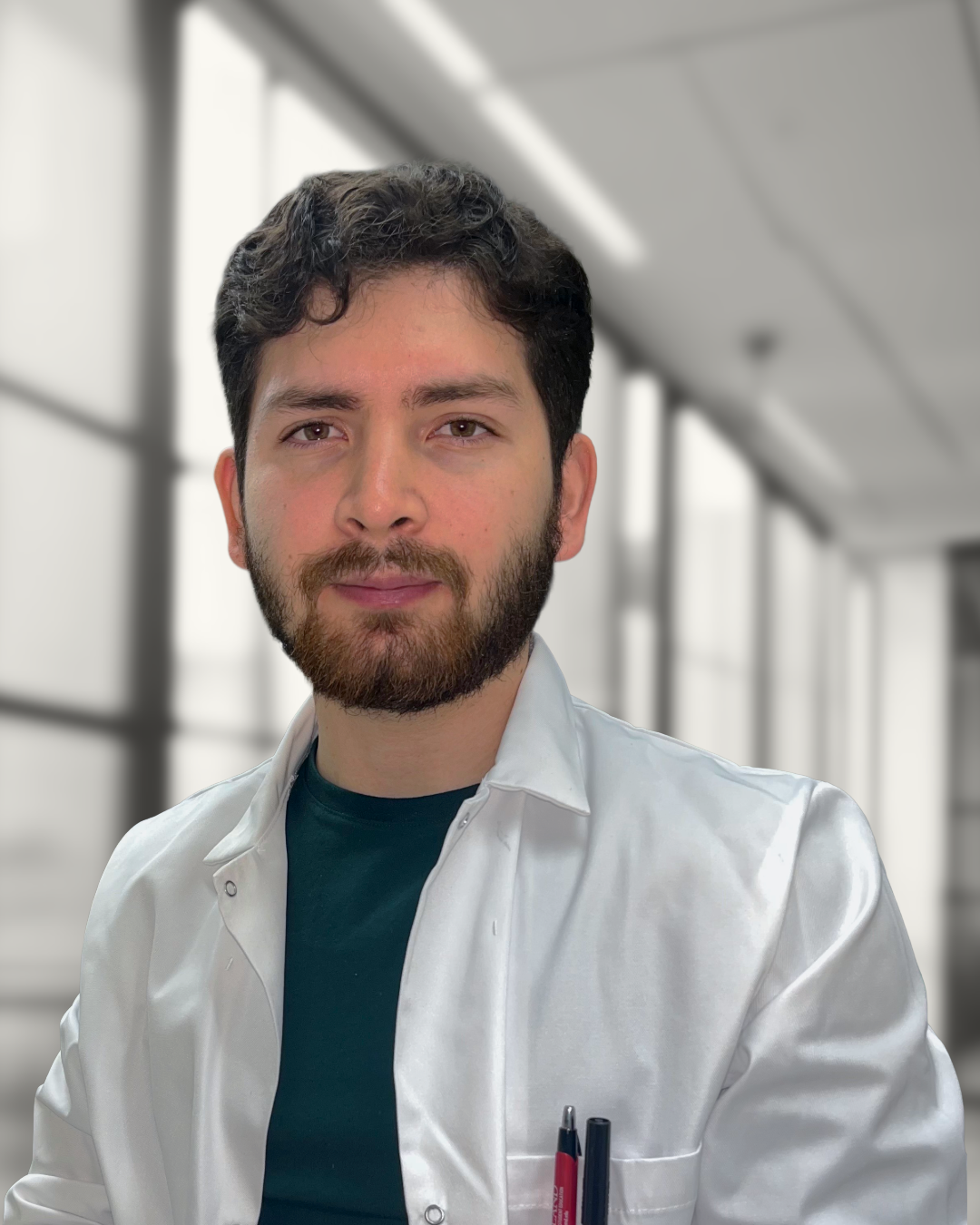
Saúl J. Flores
he/him
Saúl J. Flores is a Ronald E. McNair Doctoral Fellow and Ph.D. candidate in Biochemistry at University of Maryland, College Park, where he studies bacterial biofilms. He combines computational biology with hands-on biochemical and biophysical work. Outside the lab, Saúl is big on teaching and mentorship. He has supported biochemistry, biology, and chemistry courses as a teaching assistant, teaches recurring workshops in El Salvador, and leads a campus peer-mentoring program focused on retention and graduation. With the Science Diplomacy Group at UMD and SNAP, Saúl cares about building bridges that broaden participation in science locally and globally.
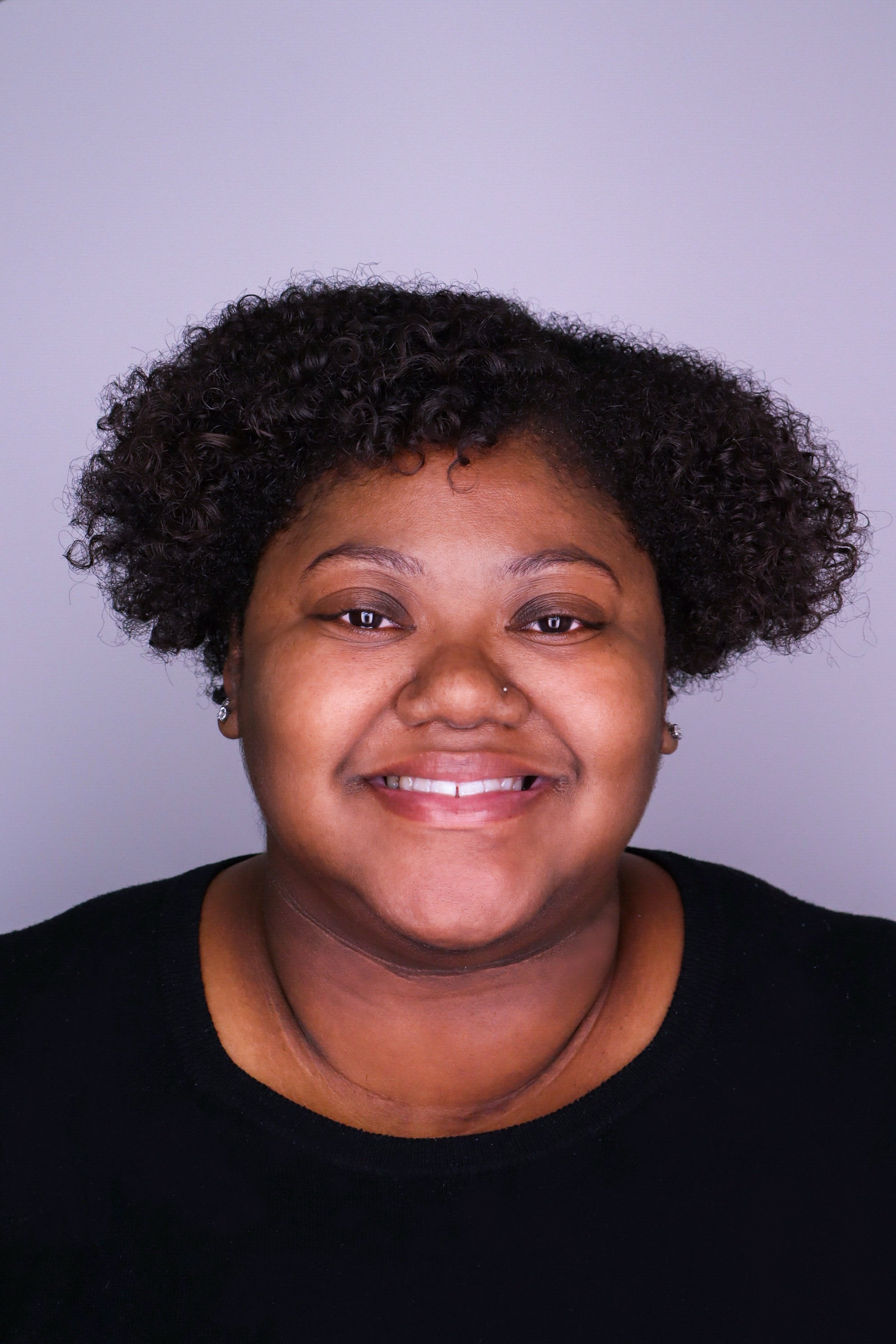
Shaurita D. Hutchins
she/her
Shaurita D. Hutchins is a PhD candidate in the Department of Genetics at the University of Alabama at Birmingham. Her research focuses on understanding the genetic and regulatory architecture of heritable pulmonary arterial hypertension. She is passionate about science policy, science communication, open science, and building practical tools that make biomedical research easier to access, interpret, and use. As an ASHG ACGT Trainee, she is also strengthening her work at the intersection of genetics/genomics, advocacy, and public engagement.

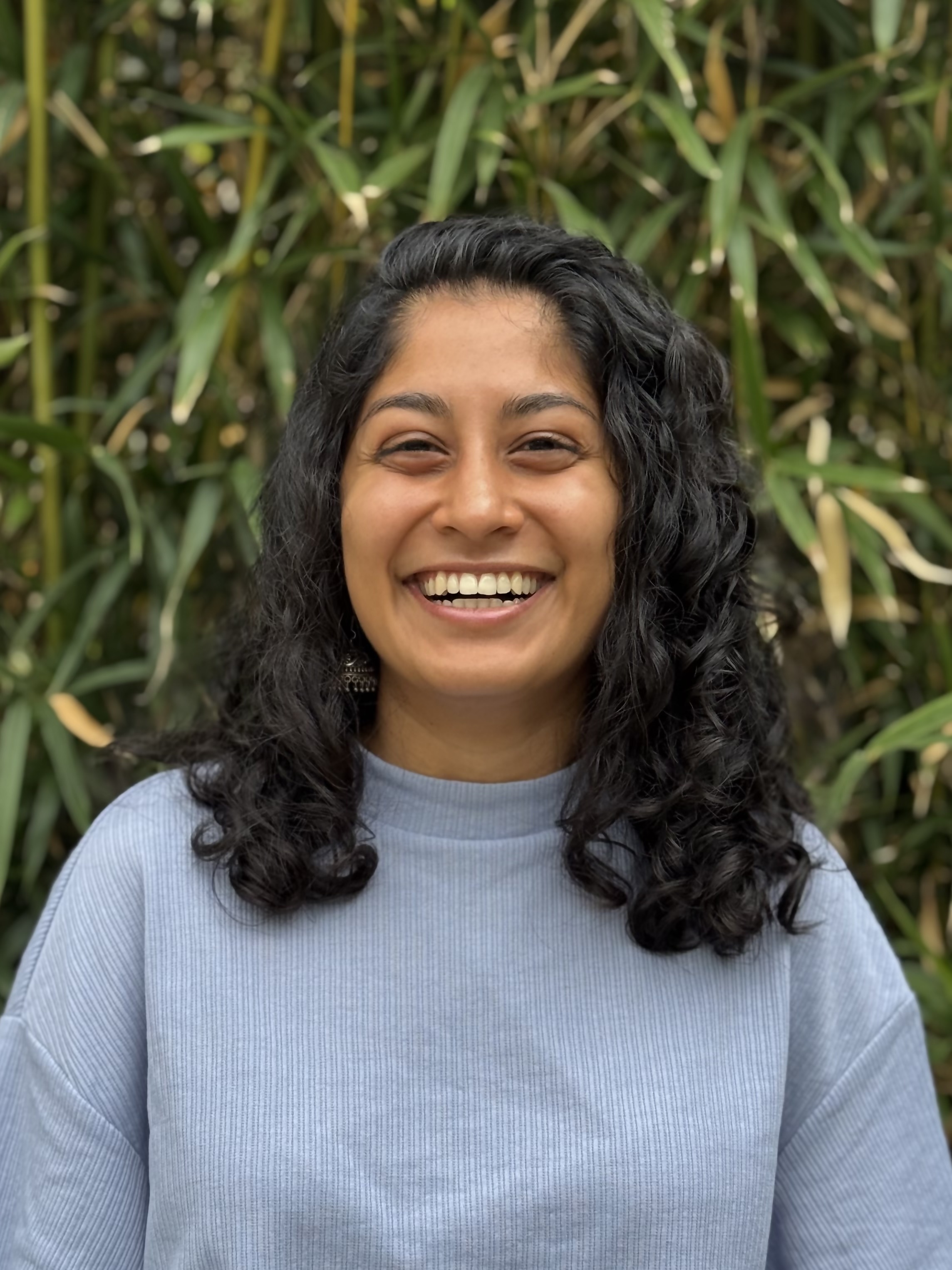
Sneha Rao
she/her
Sneha is a PhD candidate in the Developmental and Stem Cell Biology program at the University of California, San Francisco (UCSF) studying how the embryo prepares for implantation in the uterus. Her policy interests center on reproductive health equity and building adaptable frameworks to regulate emerging stem cell and gene editing technologies. She is also passionate about expanding science policy and communication training opportunities for all research trainees to encourage science policy engagement at a variety of levels. As a leader of the Science Policy Group at UCSF, Sneha has helped develop the first Science Policy course offered to basic science PhD students at UCSF, advocate for research funding in Sacramento and Washington, D.C., and organize events on bioethics, community engagement, and science communication.
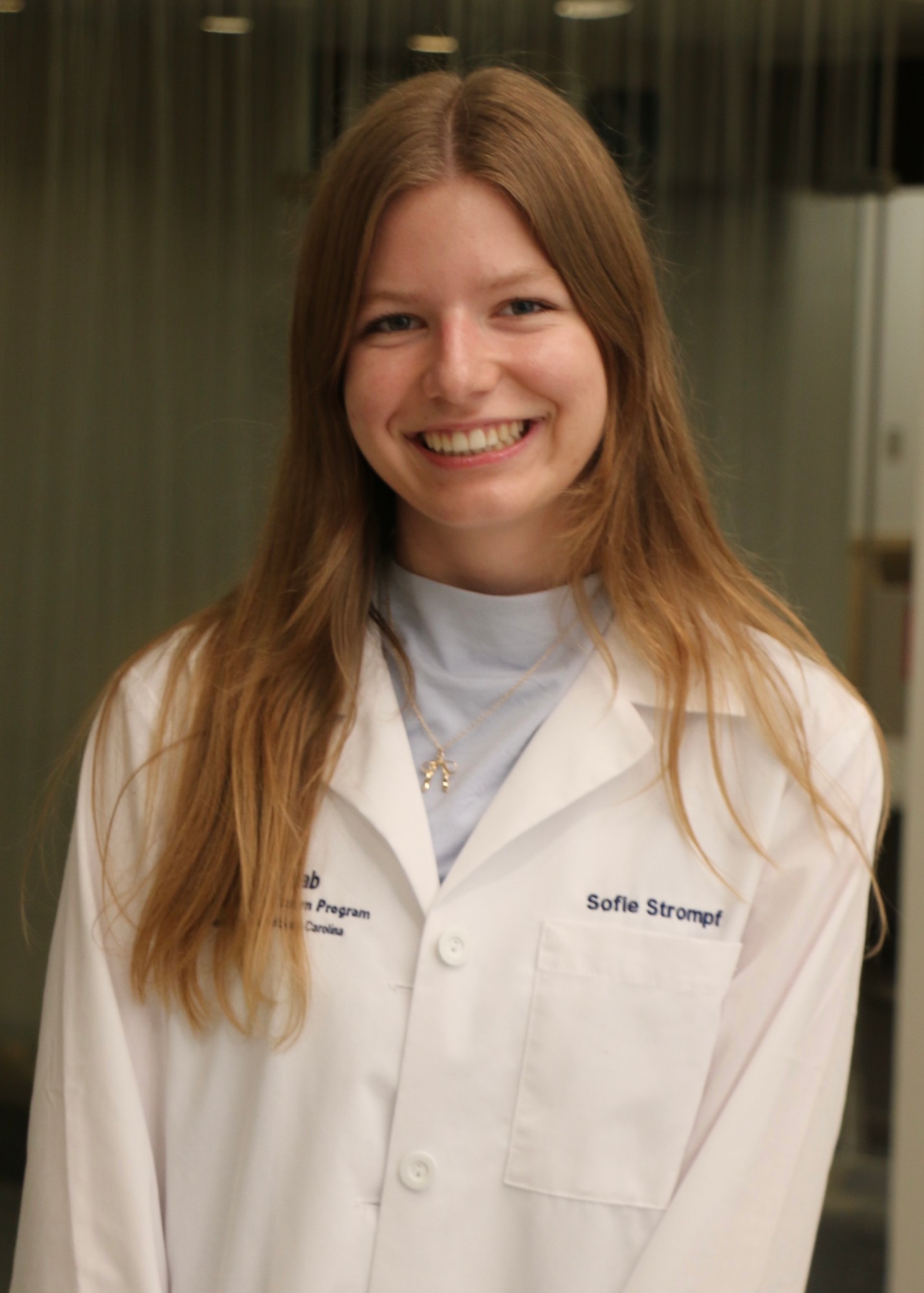
Sofie Strompf
she/her
Sofie Strompf is an undergraduate neuroscience student at George Mason University. After graduating in Spring 2027, she plans to pursue a Ph.D. in biomedical sciences. She is currently working on research exploring the role of the mitochondria (the powerhouse of the cell!) in cancer and Parkinson’s disease. Sofie is also a proud patient-scientist and an active advocate for accessibility in higher education, serving on the State Council for Higher Education for Virginia Disability Access to Higher Education Advisory Committee.
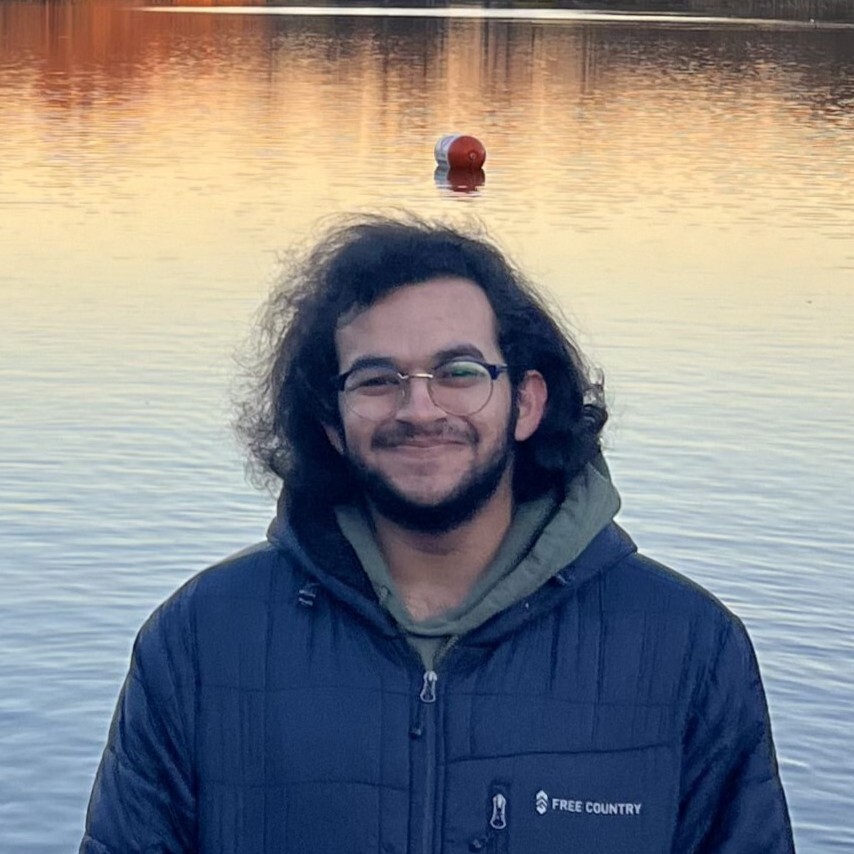
Youssef El Gharably
I’m a 1st-year Quantum Science and Engineering PhD student at the University of Delaware; I mainly work on quantum material growth techniques and applications in Quantum Computing in the Material Science and Engineering Department at UD. I have been an Egyptian international student in the U.S. since 2022, and my interest in science policy and its influence on the government, society, and the world has always been of great interest to me, especially the recent ongoing national efforts towards Quantum Science and Technologies. I am also the Science Diplomacy Coordinator in UD’s Science Policy group.
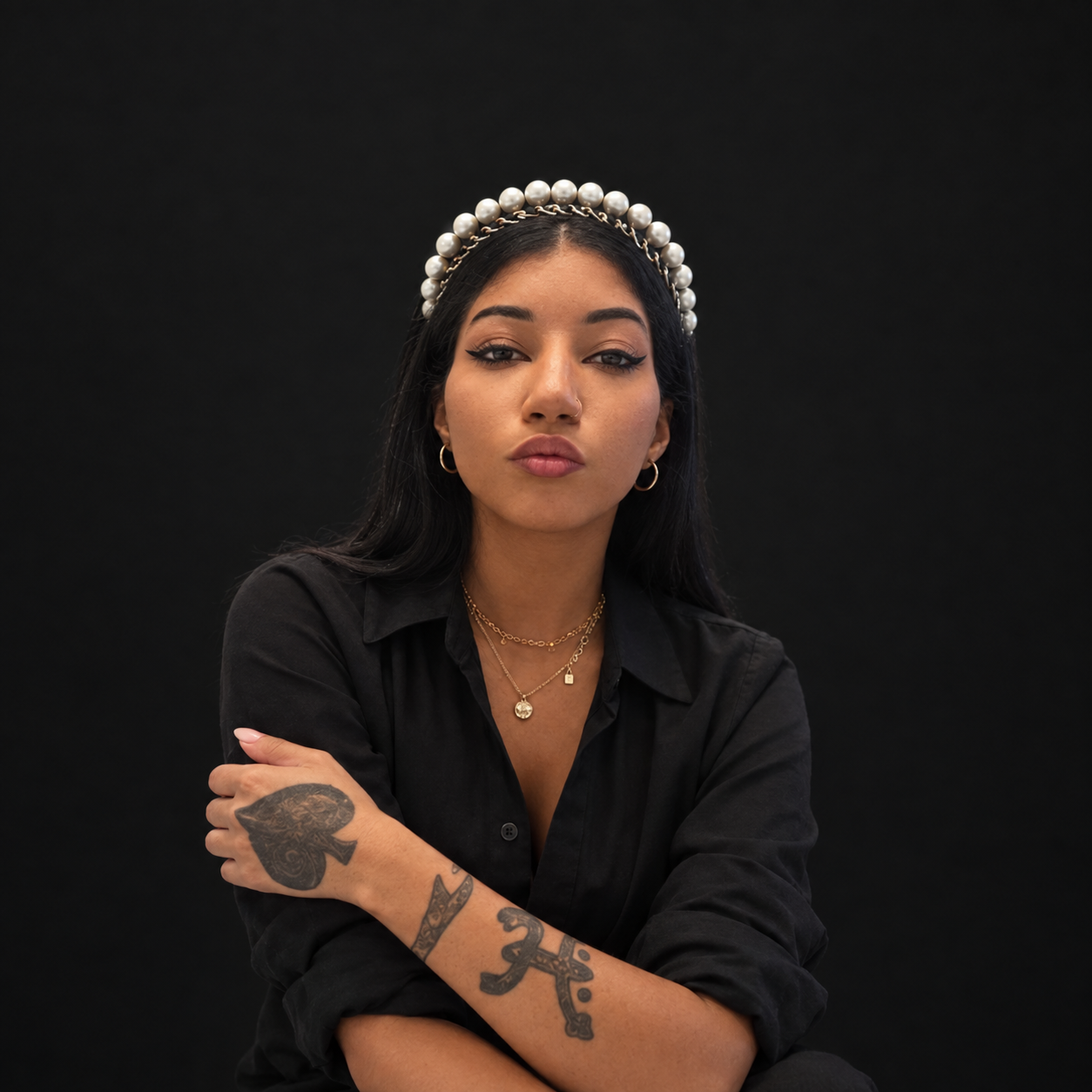
Zoe Filomeno
She/Her
Neuroscience grad student at ASU (Global Tech & Development) and emerging tech researcher at the intersection of aesthetics, neuroethics, and global governance. From San Juan, Puerto Rico, she founded ErgoDev, an open-source, tech-philanthropic lab creating medical device solutions for end users (2025 Future Neuro Founders Cohort). Former ICANN79 Fellow and NextGen, she advocates in SNAP for early career scientist outreach to civilians and academia in emergent tech and disability policy. A Fashion Institute of Technology alum who worked with luxury heritage brands, she’s a hacker and maker at Noisebridge, NYC Resistor, and HOPE, bringing whimsical innovation to ethical neurotech.